
Kenya was my home for eight years, and it’s still one of my favourite countries in the world. I was lucky enough to run safari lodges in Amboseli, the Masai Mara and Nairobi National Park, and nothing makes me happier than introducing my guests to this incredible country.
Kenya Safaris
Private conservancies
exclusive game viewing, few vehicles
The Great Migration
Mara River crossings, July to October
Direct from London
BA flights straight to Nairobi
Multiple activities
Walking, horse riding, cycling & more
THE ORIGINAL SAFARI
Why Kenya is the ultimate luxury safari destination
Kenya is where the word safari began, and it still delivers like nowhere else.
Big cats on the golden plains of the Masai Mara, rare northern species in Samburu, rhino on the private ranches of Laikipia and elephants walking with Kilimanjaro as the backdrop.
What makes Kenya truly special for discerning travellers is its private conservancies. Here, a limited number of guests share vast wilderness areas, so you can explore in your own vehicle, walk with guides who grew up on the land and track wildlife after dark.
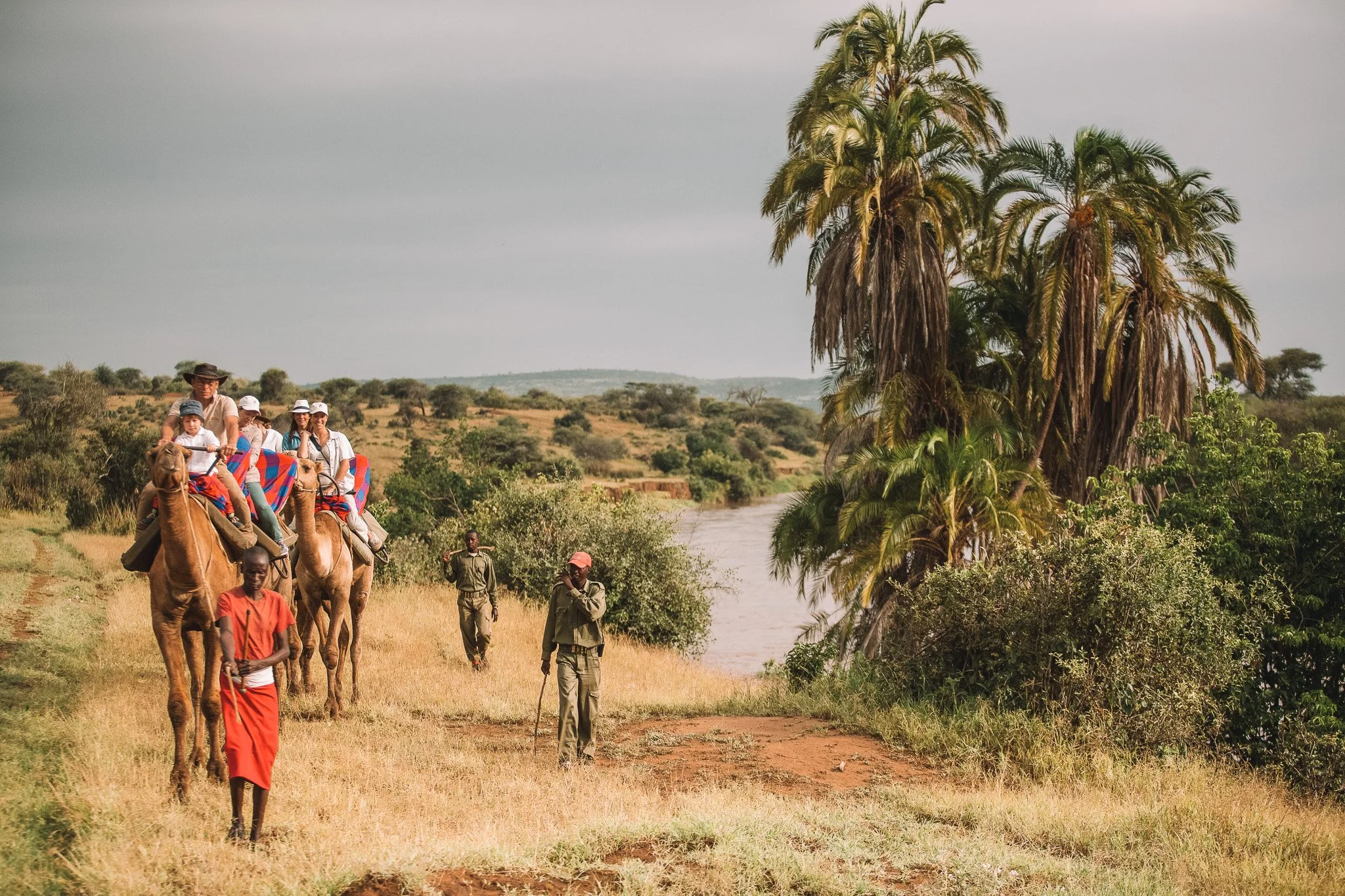
Elewana Loisaba Camp, Kenya
THE KENYA DIFFERENCE
The luxury of a private conservancy
Bordering the Masai Mara, Amboseli and spread across Laikipia, Kenya’s private conservancies are leased from local Maasai and Samburu landowners, so every stay directly supports the communities who’s land it is and who protect the wildlife.
For you, this means more activities, a more personal safari and where you know your money is going to the right places.
Strict vehicle limits
Only a handful of vehicles at any sighting.
Night drives & walks
Experiences not permitted in the national reserves.
Off-road driving
Get closer to the action, guided responsibly.
Intimate camps
Small, beautifully run camps with expert guides
-
![Hot air balloon flying over the Masai Mara, Kenya]()
Masai Mara
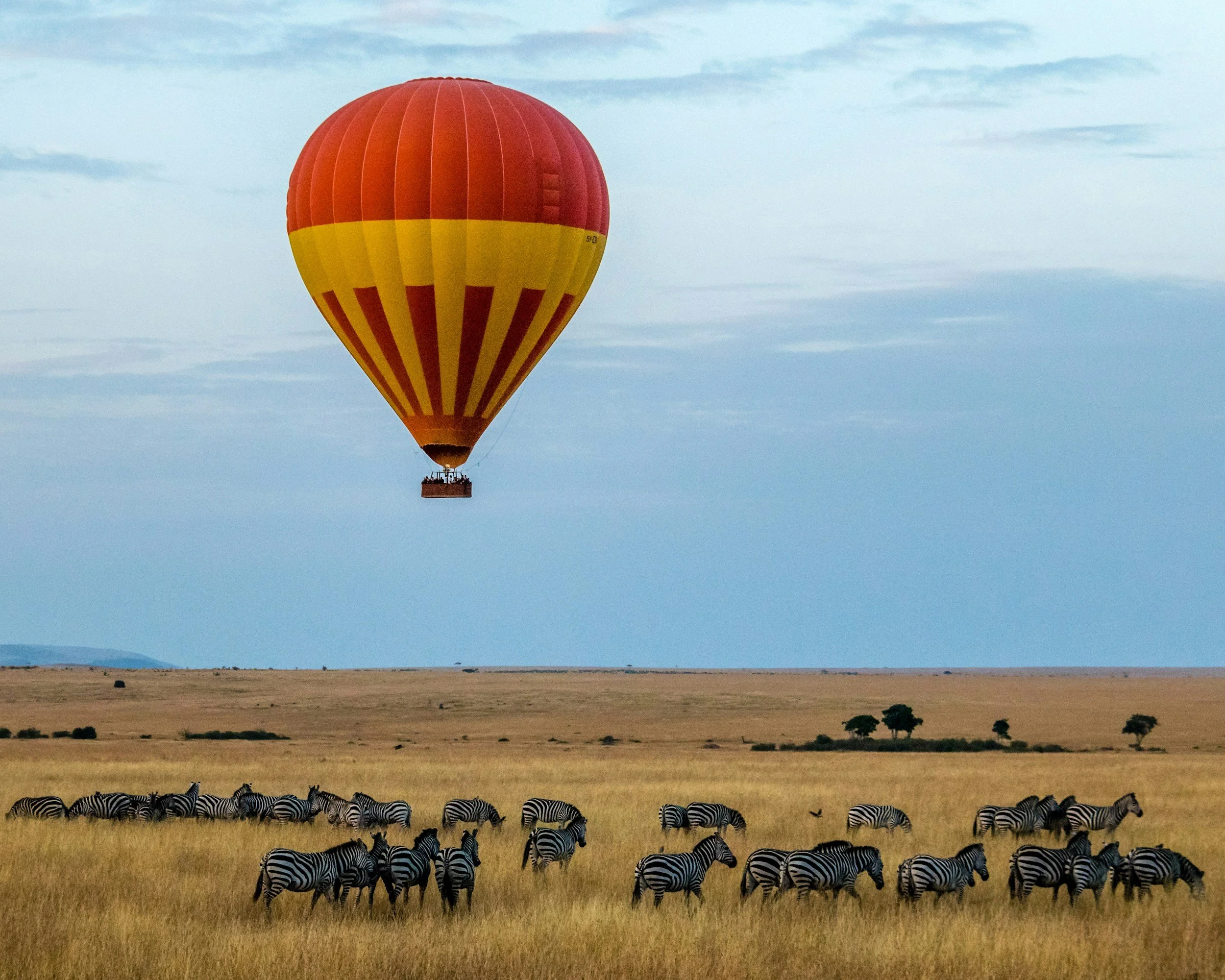
Kenya’s most celebrated safari destination, famous for its golden plains, exceptional big cat sightings and the Great Migration’s dramatic river crossings from July to October. Stay in one of the private conservancies on its borders for a more exclusive experience, with walking safaris and night drives.
Best for: big cats, migration crossings and relaxed wildlife
-
![elephants walking in front of Mt Kilimanjaro, Kenya]()
Amboseli
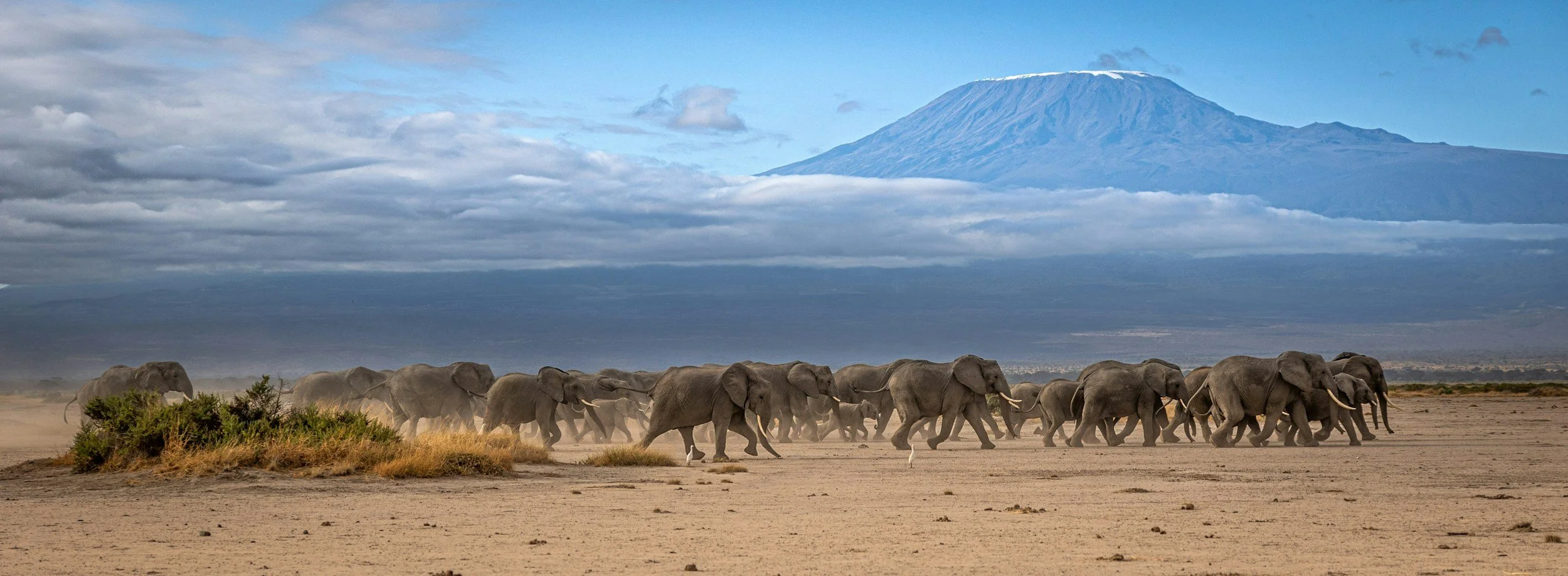
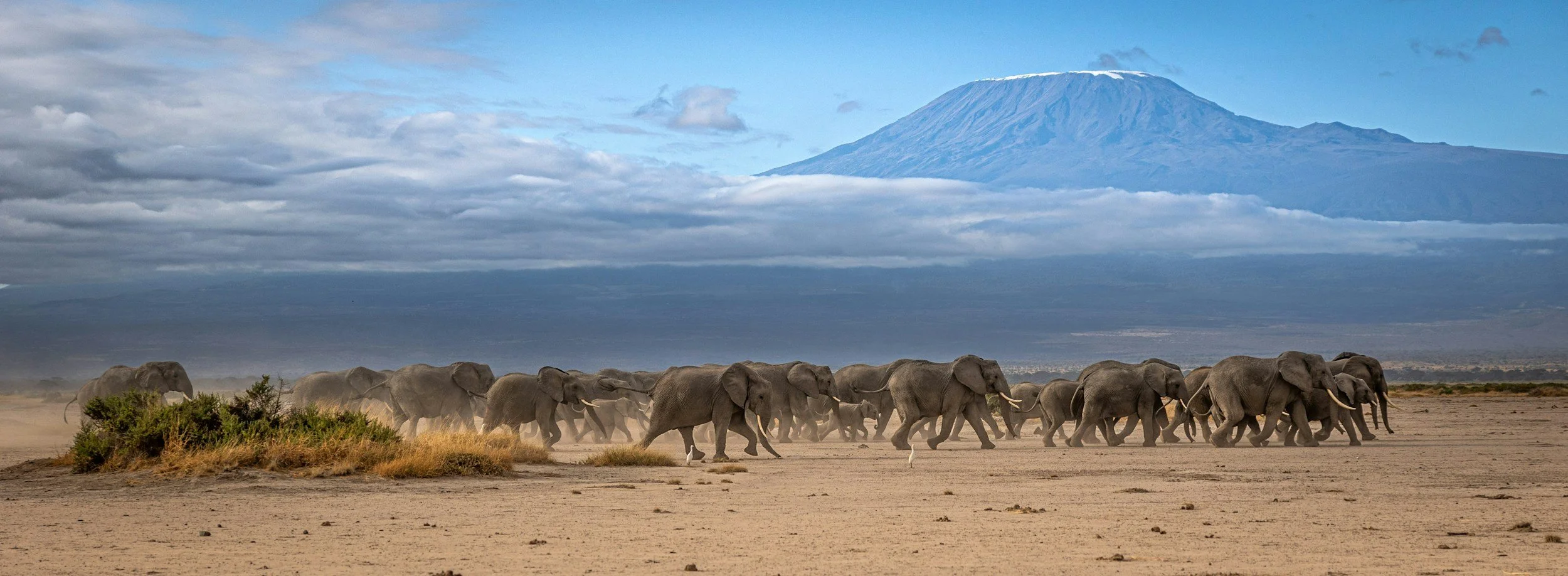
Home to some of Africa’s most iconic elephant herds, including famous big tuskers, set against the snow-capped backdrop of Mount Kilimanjaro. It’s open plains and swamps make it one of the most photogenic safari destinations in Africa.
Best for: elephants, photography & Kilimanjaro views
-
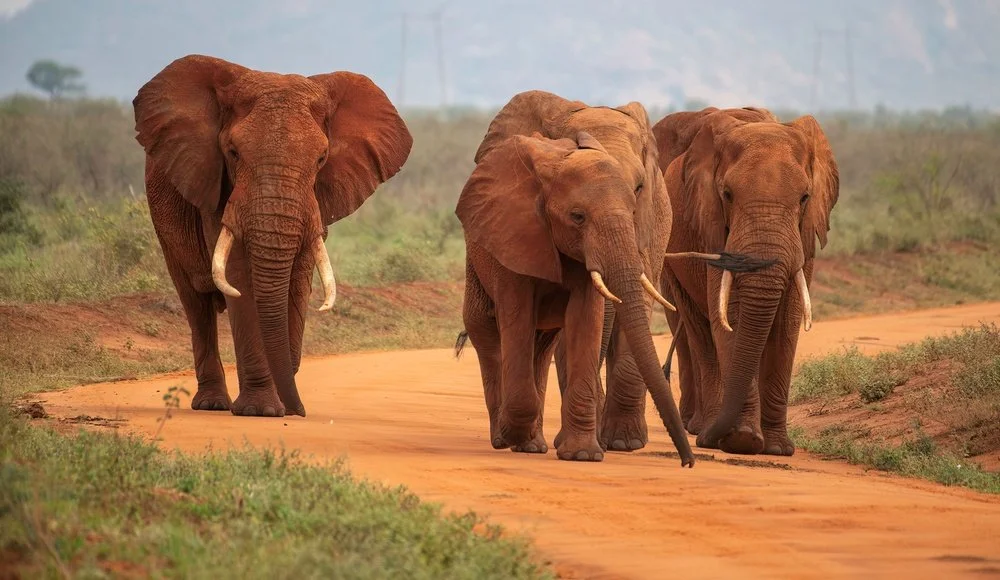
![Elephants walking down the road in Tsavo National Park]()
Tsavo East & West
Kenya’s largest wilderness, split into Tsavo East & Tsavo West, where elephants are dusted red by the earth and few other vehicles are ever seen. Watch hippo at the crystal-clear Mzima Springs, explore ancient lava flows and enjoy a raw, untamed safari far from the crowds.
Best for: wild, uncrowded safaris, red elephants, combining with the coast
-
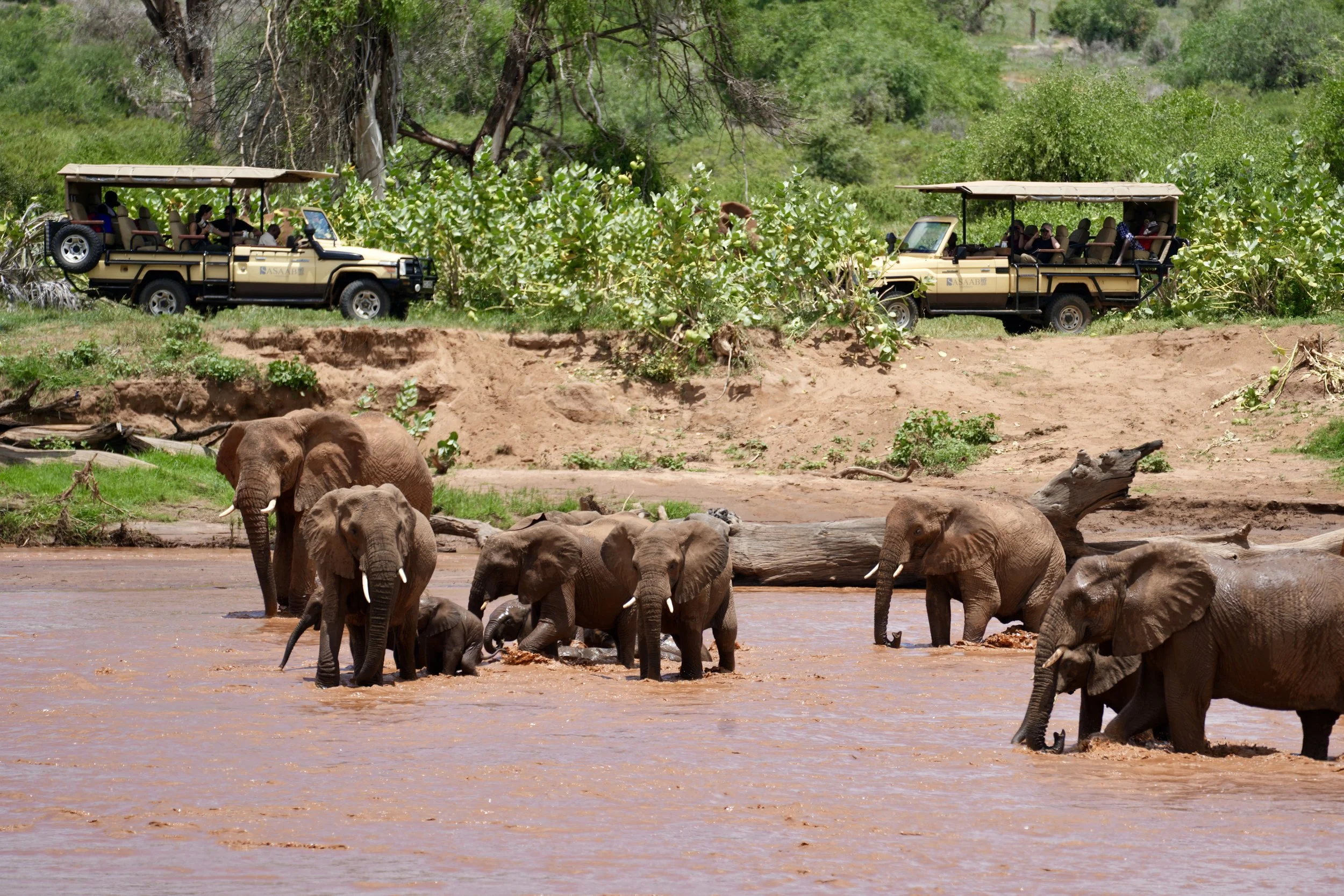
![elephants crossing the river in Samburu National Park]()
Samburu National Park
Rugged norther wilderness along the palm-lined Ewes Ng’iro River, home to the “Samburu Special Five”. It’s also excellent for elephants and leopards and offers a fascinating insight into Samburu culture.
Best for: rare species, culture, elephants
-
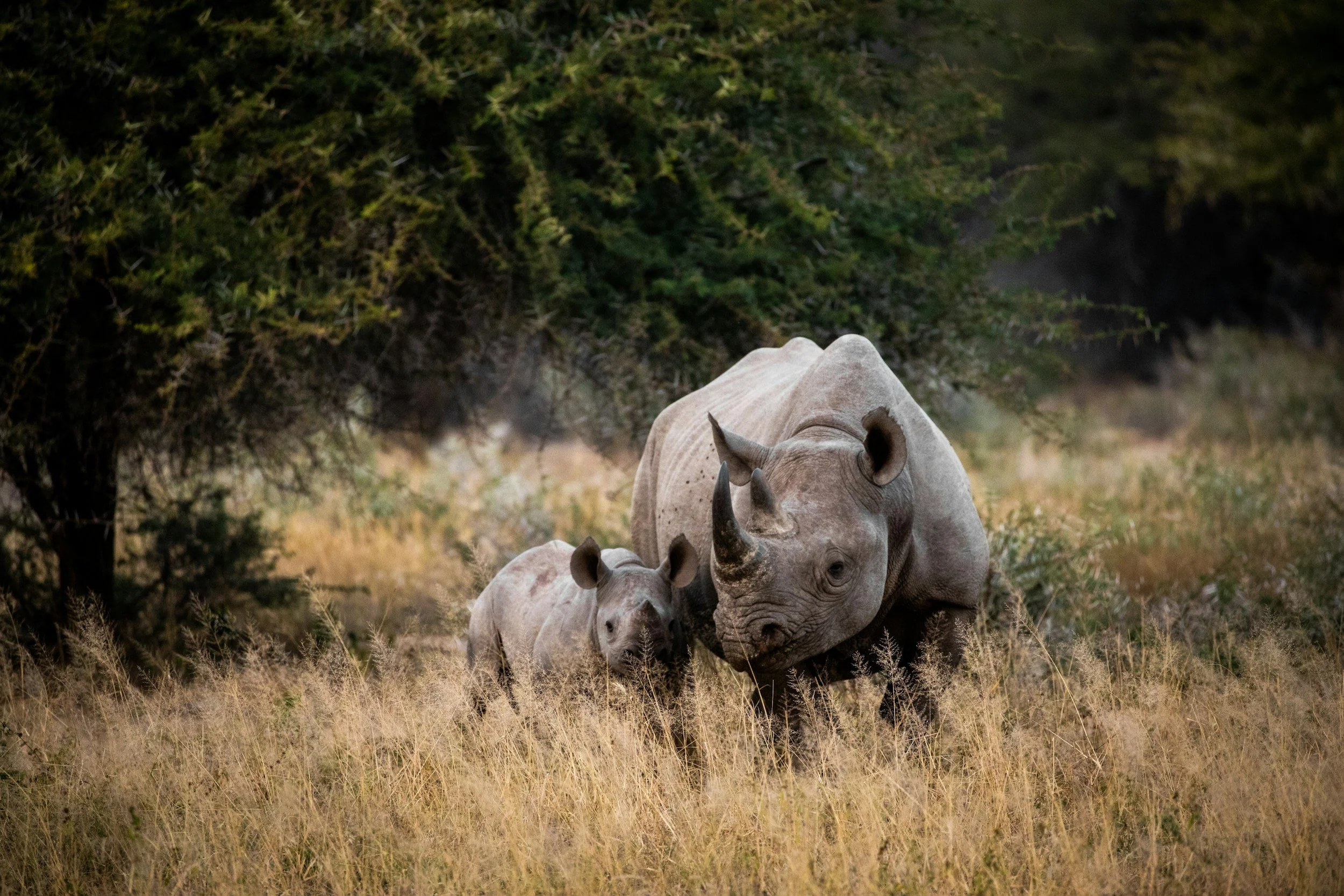
![Adult and rhino calf on safari]()
Laikipia
A vast plateau of private ranches and conservancies where wildlife roams freely, from wild dogs and elephants to rhino. Exclusive-use houses, camel safaris and helicopter excursions make it perfect for families, adventure and travellers seeking privacy.
Best for: exclusivity. families, adventure, rhino
-
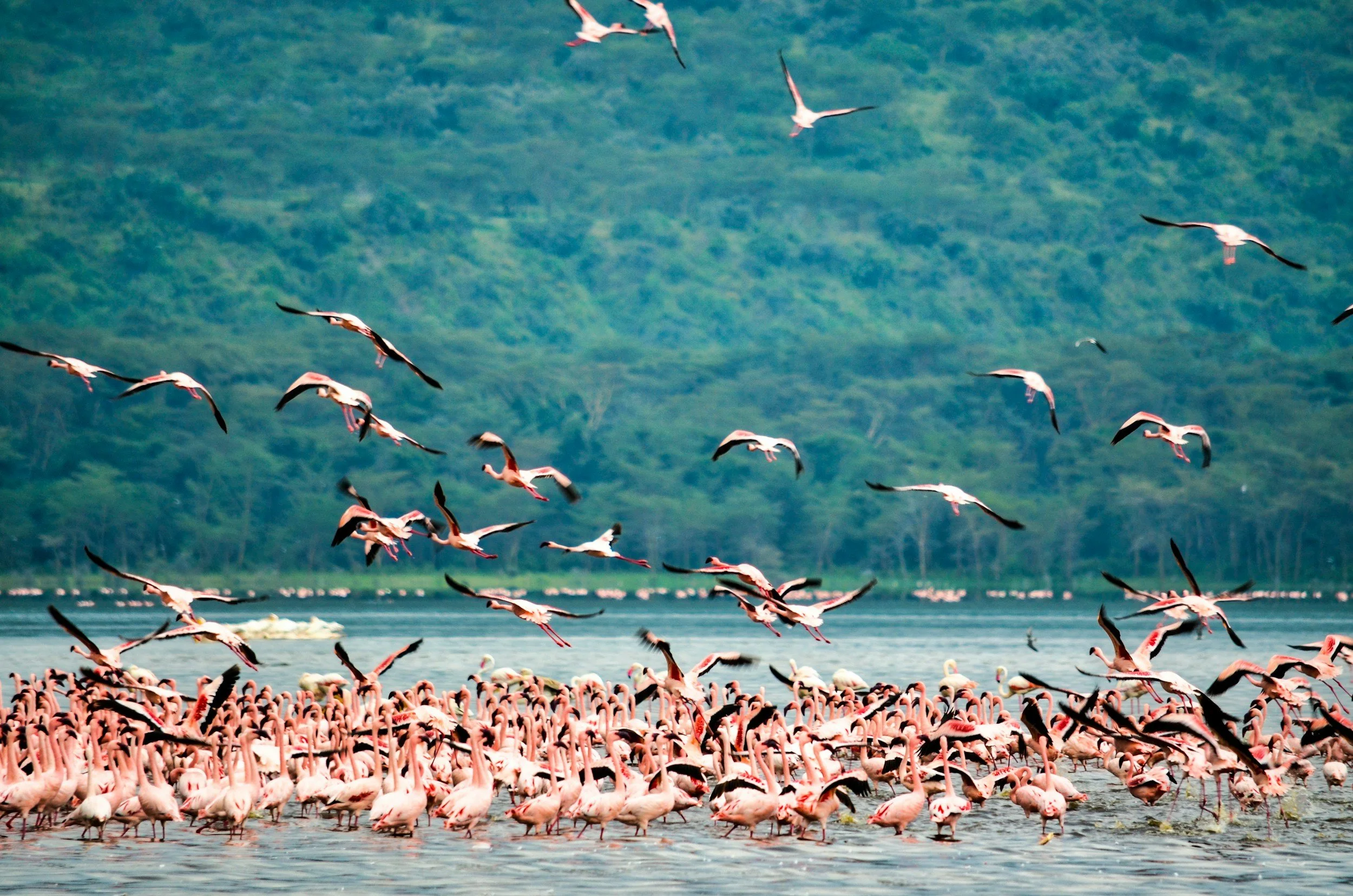
![Flamingos in Nakuru National Park, Kenya]()
Nakuru National Park
A scenic Rift Valley lake surrounded by woodland and cliffs, with a protected sanctuary for both black and white rhino and rare Rothschild giraffe. When conditions are right, the lake shore turns pink with flamingos, and it’s an easy stop between the Masai Mara and Laikipia.
Best for: self-drive. photographers, active holiday
BEYOND THE GAME DRIVE
Unforgettable experiences in Kenya
-
Witness a Mara River crossing
Watch thousands of wildebeest and zebra plunge into the crocodile-filled Mara River, one of natures great dramas, from July to October.
-
Walk with Maasai Guides
Follow tracks, learn about medicinal plants and see the bush through the eyes of those who have always lived alongside its wildlife.
-
Take to the skies by helicopter
Soar over Laikipia’s gorges and northern Kenya’s remote volcanic landscapes for a picnic in places few people ever reach.
-
Track rhino on foot
Join expert trackers in Laikipia’s rhino sanctuaries for an unforgettable. quiet encounter with these rare and precious animals.
-
Sleep under the stars
Spend a night on an open-air star bed, falling asleep to the sounds of the African night far from any city lights.
-
Meet orphaned elephants
Whether visiting Nairobi’s Sheldrick Wildlife Trust or in the wilds at Reteti Sanctuary. See rescued baby elephants at play and learn how they’re returned to the wild.
HAND-PICKED LODGES
I recommend only places I know and trust, chosen for the quality of their guiding, the warmth of their welcome and their commitment to conservation and community.
My favourite Kenyan camps & lodges
-
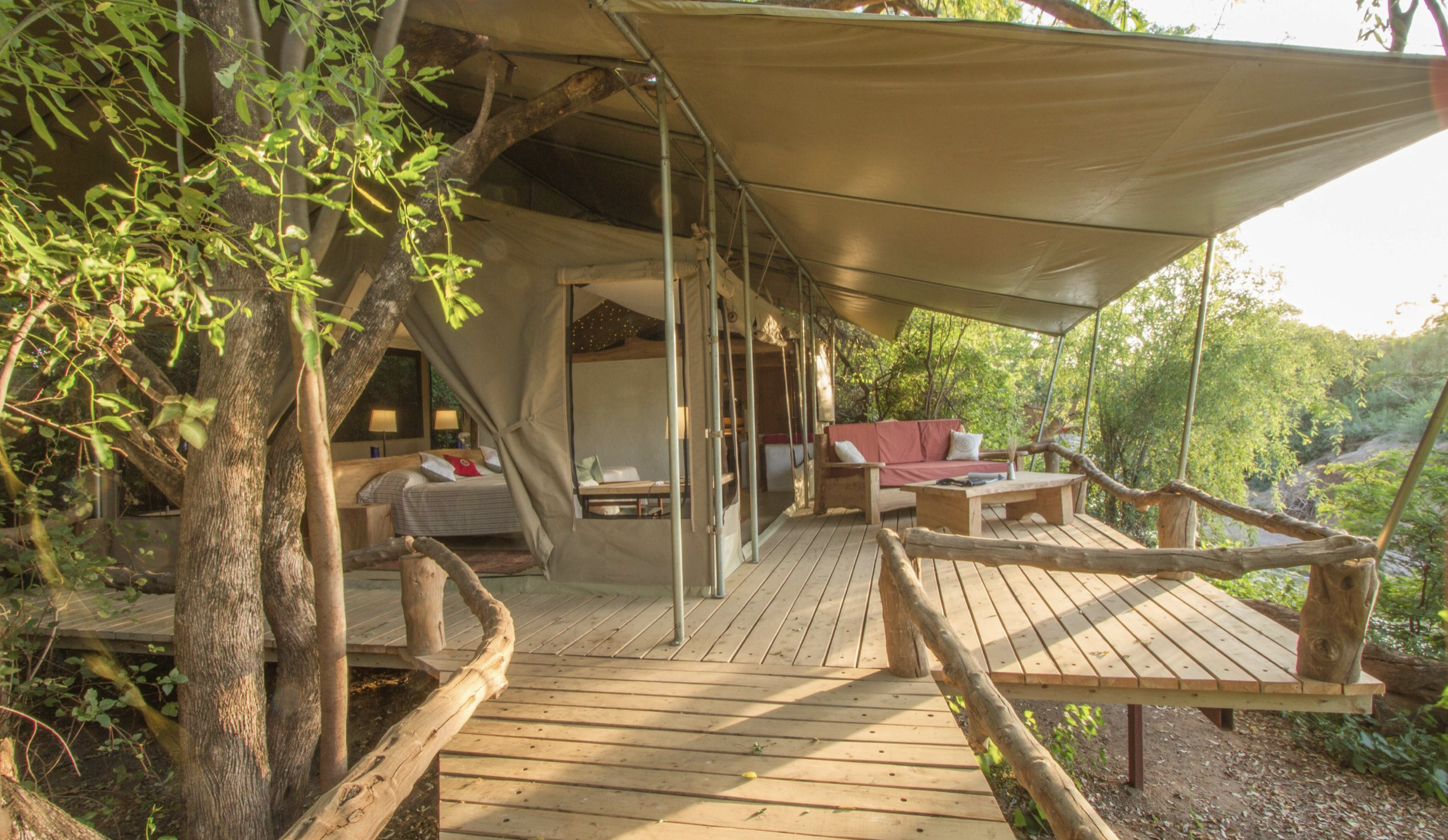
![Tented rooms at Shompole Wilderness in Kenya]()
Shompole Wilderness
Tucked away in Kenya’s remote South Rift Valley, Shompole is a true hidden gem, run with real warmth by the lovely Du Toit family. It’s superb photography hides put you at eye level with wildlife, and its close partnership with the local Maasai community means your stay makes a genuine difference.
Best for: photography, home away from home, multi-generational.
-
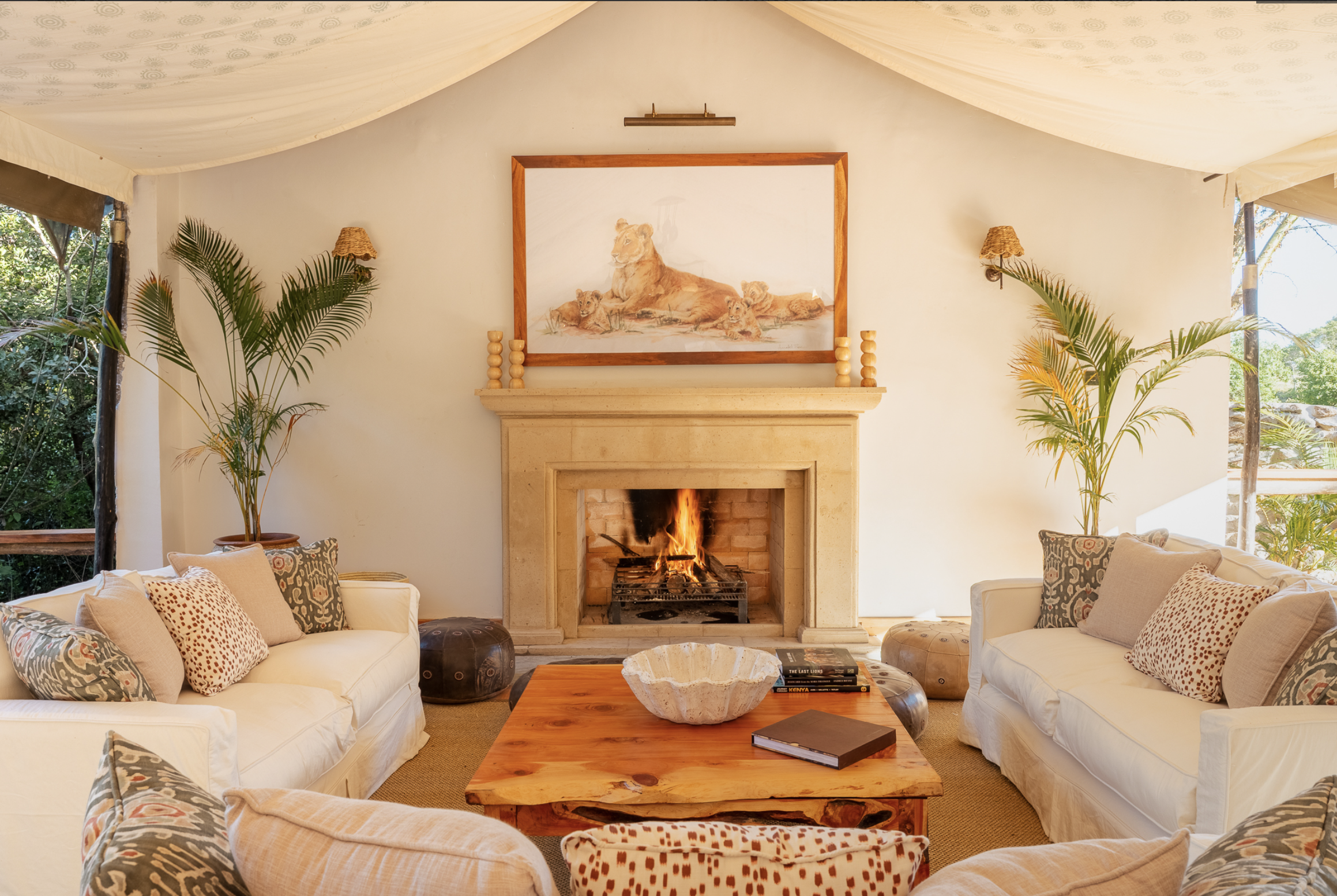
![The lounge tent at Offbeat Mara in the Masai Mara, Kenya]()
Offbeat Mara
A small, characterful tented camp set in the forest of the exclusive Mara North Conservancy, where only member camps can explore. With just seven tents, superb Maasai guides and its famous “Offbeat Pride” of lions living nearby, it’s classic safari at its very best, unpretentious, welcoming and full of soul.
Best for: authentic, big cats, romantic stays
-
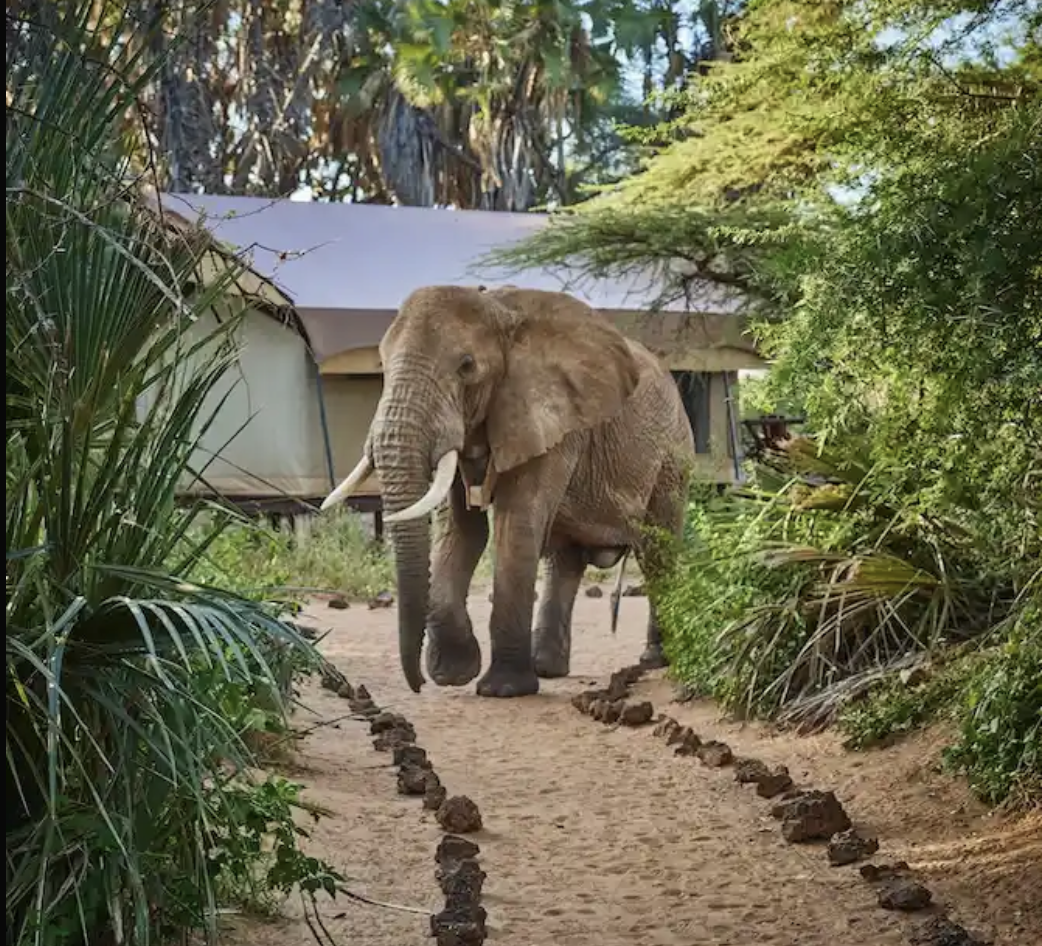
![Elephant walking through the camp at Elephant Bedroom]()
Elephant Bedroom Camp
True to its name, this intimate camp on the banks of Samburu’s Ewes Ng’iro River is a favourite haunt of elephants, which often wander through camp to drink at the nearby waterhole. Each of its twelve tents has its own private plunge pool, perfect for cooking off between game drives in search of the Samburu Special Five.
Best for: elephants. romance. rare northern wildlife
-
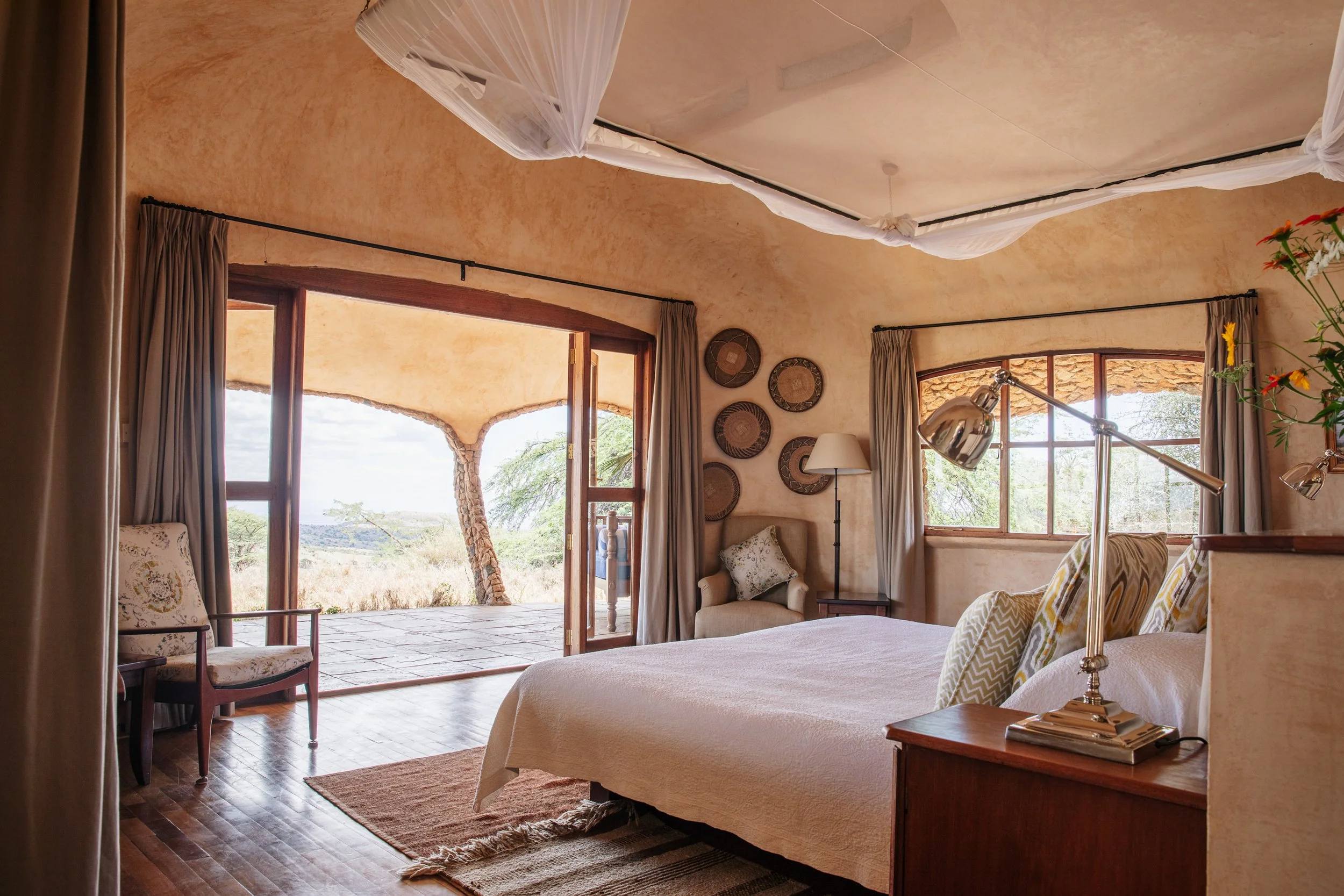
![A guest rooms at Lewa House Camp]()
Lewa House
A relaxed, owner-run homestead in the heart of Lewa Wildlife Conservancy, where Sophie & Calum welcome guests like old friends. Sophie’s family has farmed here since 1922, and their love for the land shines through everything, from rhino tracking and horse-riding to home-grown food shared around one big table.
Best for: families, rhino, home away from home
Kenya Safari FAQ’s
-
The most popular time for a Kenya safari is the dry season from June to October, when wildlife gathers around rivers and waterholes and the Great Migration’s Mara River crossing usually take place from July to October. January and February are my favourite with warm, dry weather and fewer crowds.
April, May and November are rainier but greener, quieter and great value.
-
A privat conservancy is wilderness land leased from local communities, sometimes they border national reserves such as the Masai Mara. Conservancies limit the number of guests and vehicles, and allow walking safaris, night drives and off-road driving. They offer a far more exclusive safari while directly supporting the people who live on and protect the land.
-
Generally prices for a Kenya safari start at £5,000 per person including international flights, if you’re looking for a more luxury experience expect to pay around £10,000 per person depending on no. of nights on safari.
-
The Maasai Mara is where the Great Migration takes place in Kenya. The migration will enter Kenya along the Sand River, mostly you’ll see the main crossings along the Mara River but sometimes they’ll cross the Talek as well. Staying in the Mara Triangle conservancy is a great place to stay, where you can see the migration without the crowds of the main reserve.
-
Yes. The Masai Mara is excellent for lion, leopard, elephant and buffalo while the Lewa, Ol Pejeta, Nairobi National Park and Lake Nakuru are great for rhino. Combining a couple of areas gives you a superb chance of seeing all of the Big Five.