
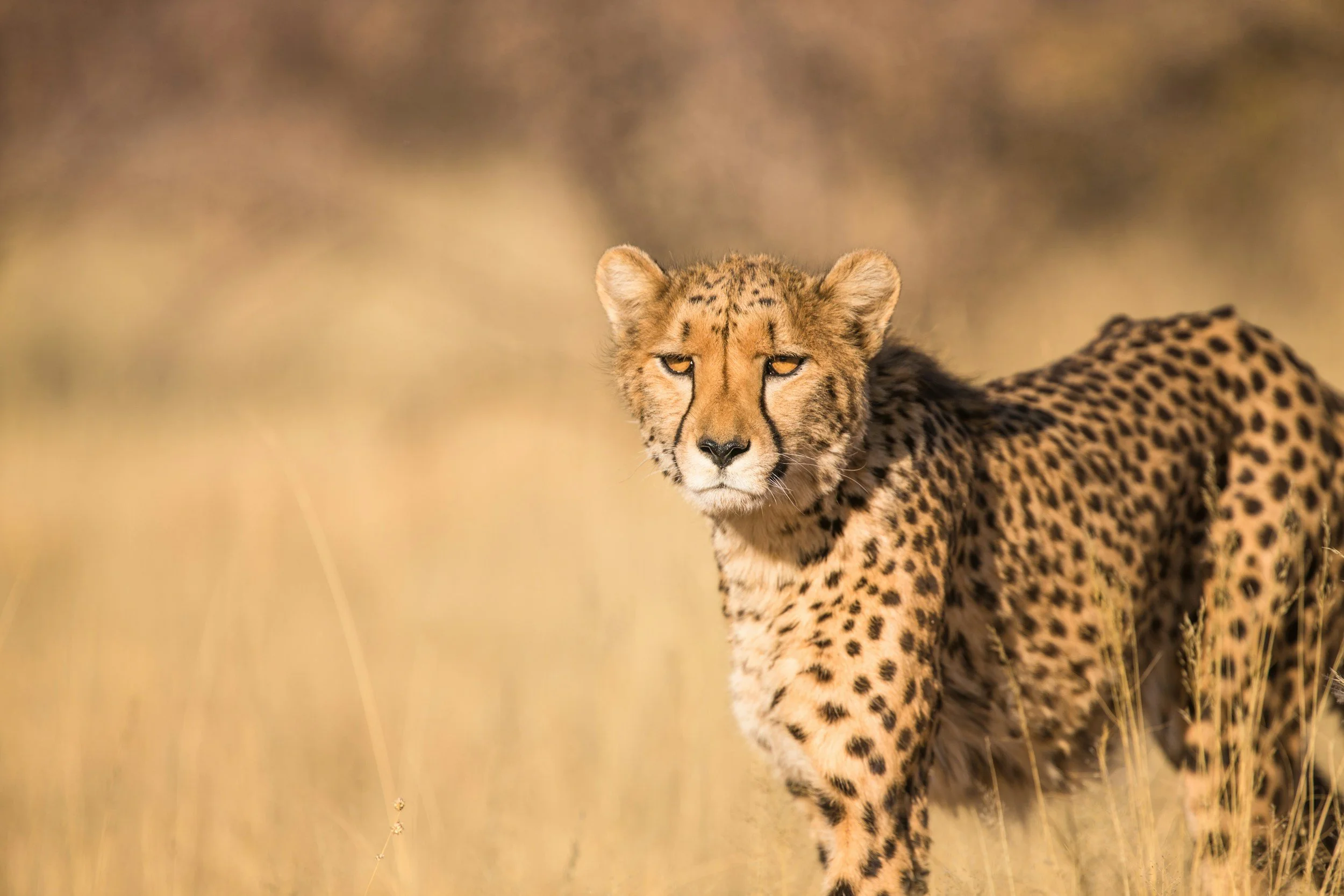
Walking safaris in Kenya, gorillas in Rwanda and red dunes in Namibia. Explore the incredible continent of Africa with a former safari guide and lodge manager who knows it first-hand
Tailor-made African Safaris
A decade in Africa
as a guide and lodge manager
9 African countries
covering the best safari has to offer
Jersey based
planned face to face locally
Fully protected
ATOL and trust protected
WHERE TO GO ON SAFARI
Tailor-made African safaris, designed around you
From the golden plains of Kenya to the hidden waterways of Botswana, every African safari has its own kind of magic. I’ll help you find the one that’s right for you, choosing the best season, the wildlife you most want to see and the perfect place to stay, from intimate tented camps under the stars to family-friendly lodges.
-
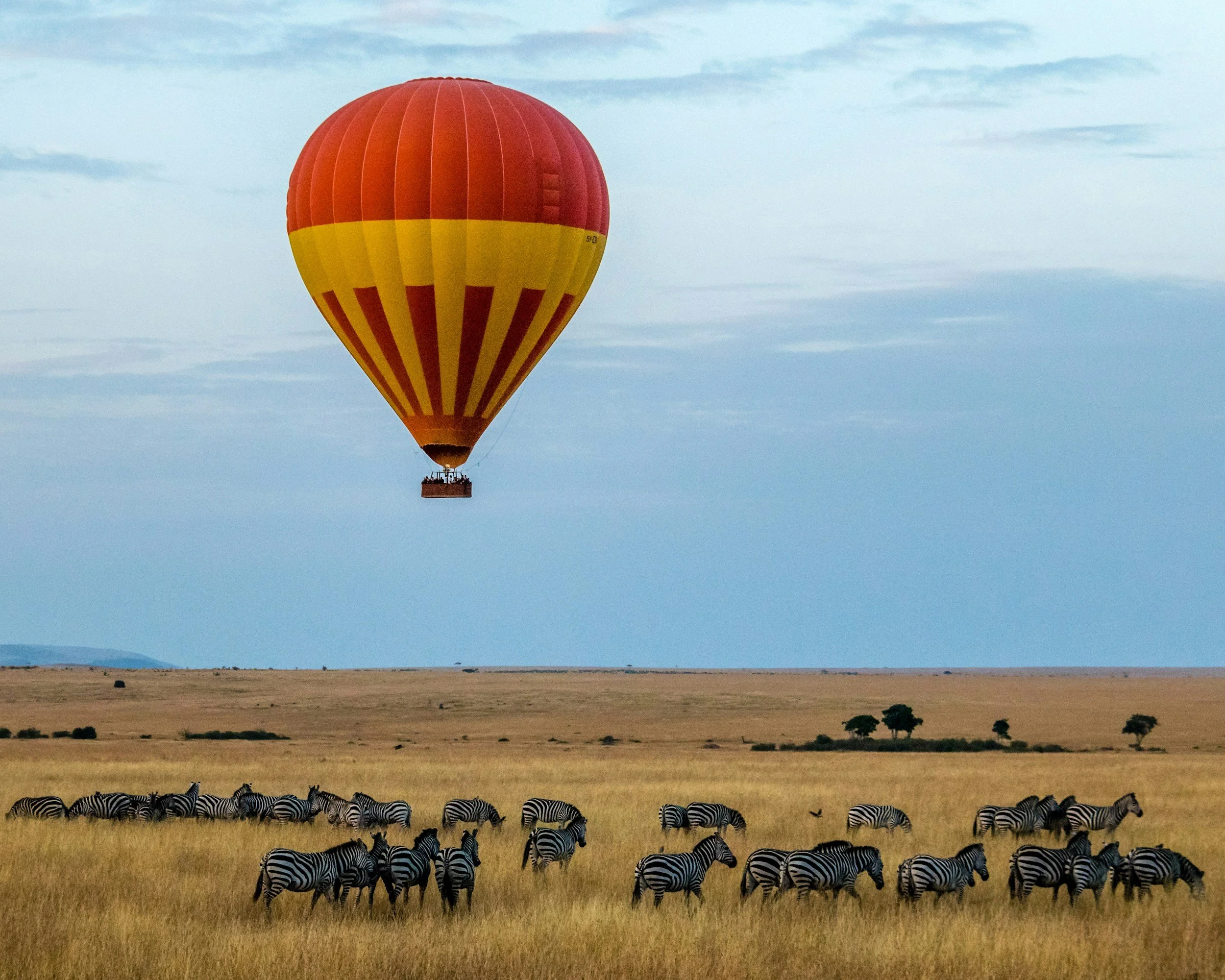
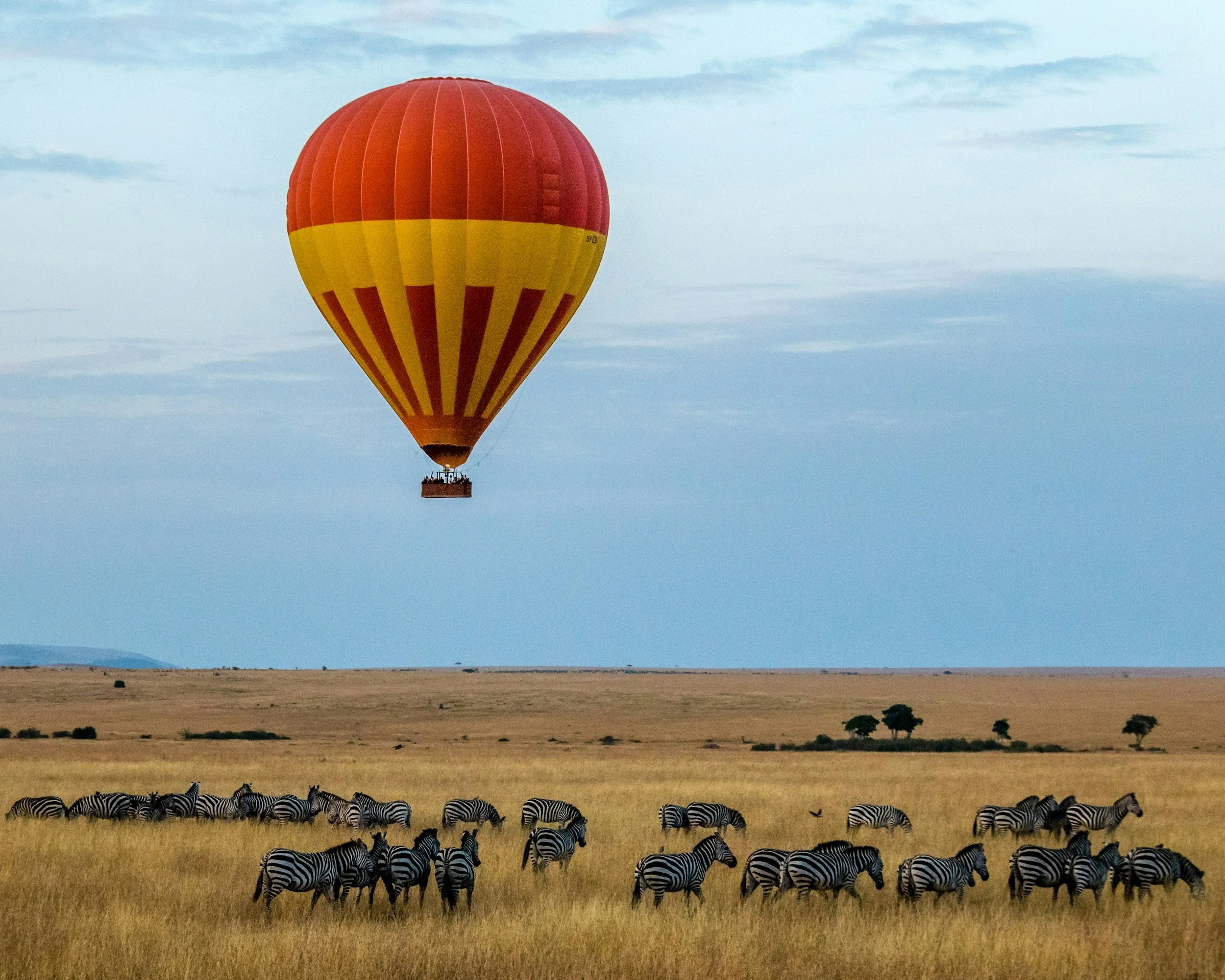
![Hot air balloon flying over the Masai Mara, Kenya]()
Kenyan safaris
Witness the Great Migration in the Maasai Mara, walk with Maasai guides in private conservancies and meet Samburu’s rare northern wildlife, with Nairobi’s orphaned elephants as the perfect start.
Best for: first safaris, families, migration
-
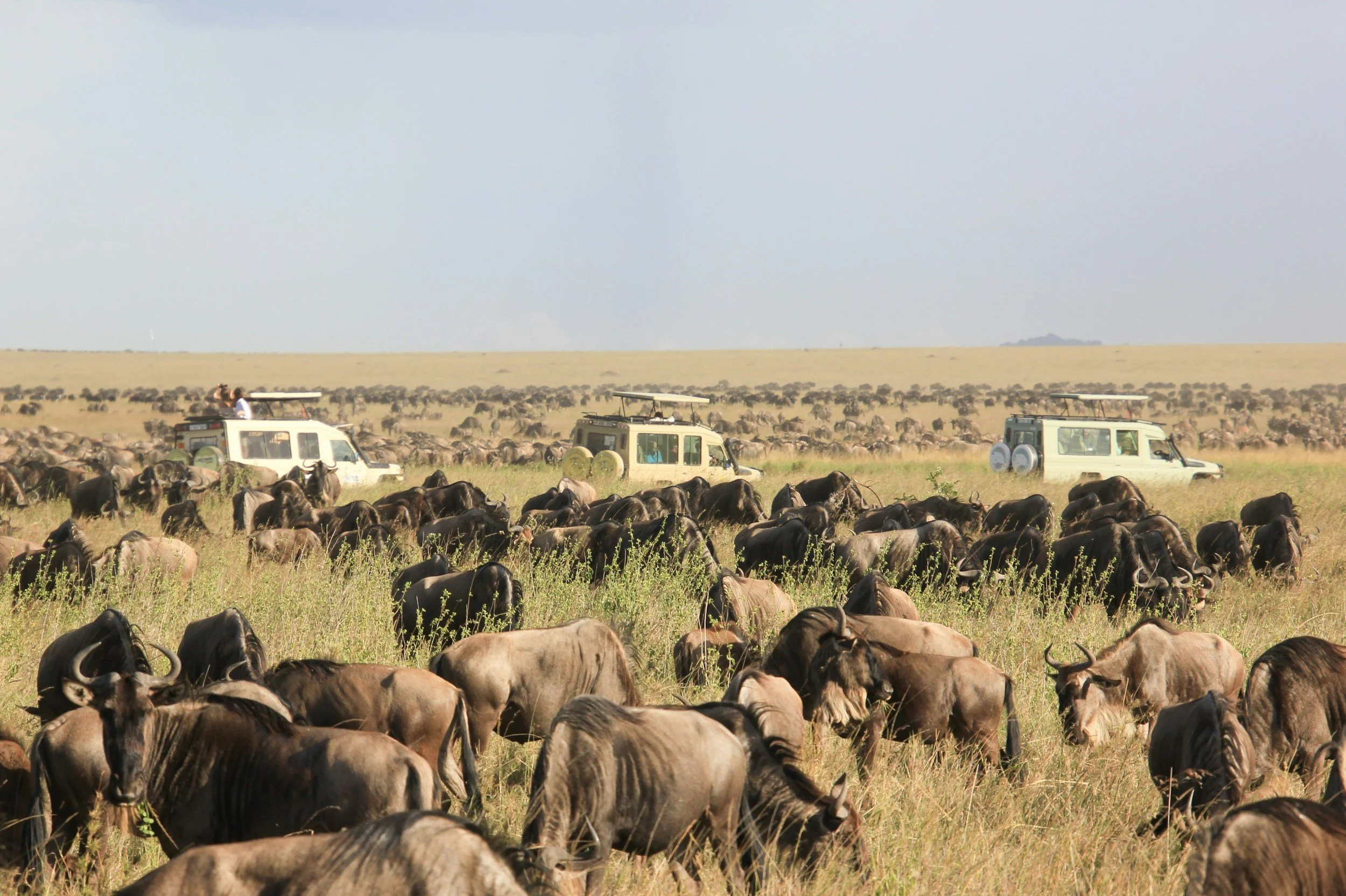
![wildebeest grazing and safari vehicles on Tanzanian safari]()
Tanzanian safari
The Serengeti and Ngorongoro Crater, the southern calving season, and wild, uncrowded Rah and Nyerere for those who want to get further off the map.
Best for: the migration, true wilderness
-
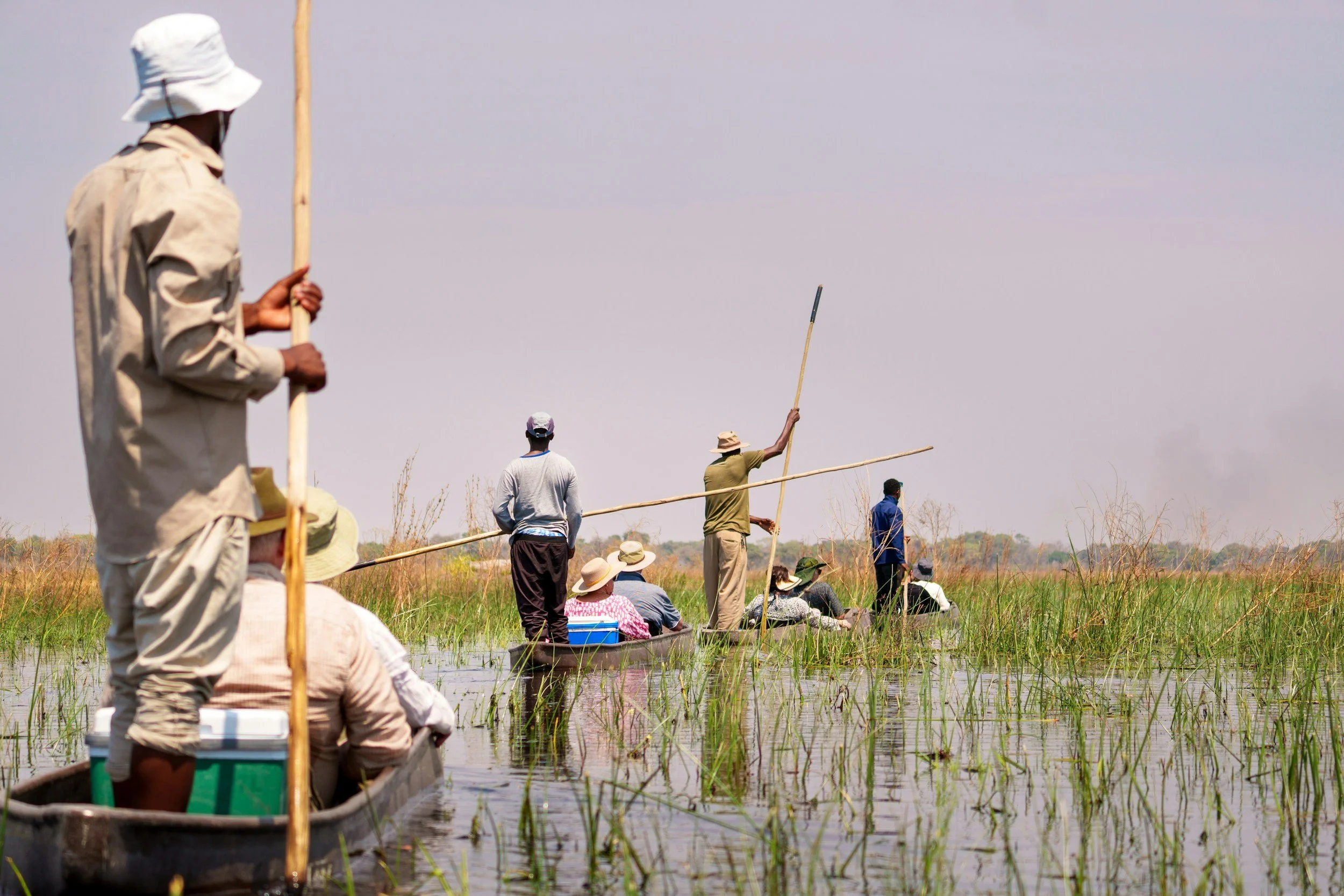
![Mokoro boat ride in the Okavango Delta, Botswana]()
Botswana safaris
Glide through the Okavango Delta by mokoro, watch huge elephant herds in Chobe and stay in some of Africa’s most exclusive, low-impact camps.
Best for: honeymoons, exclusive camps
-
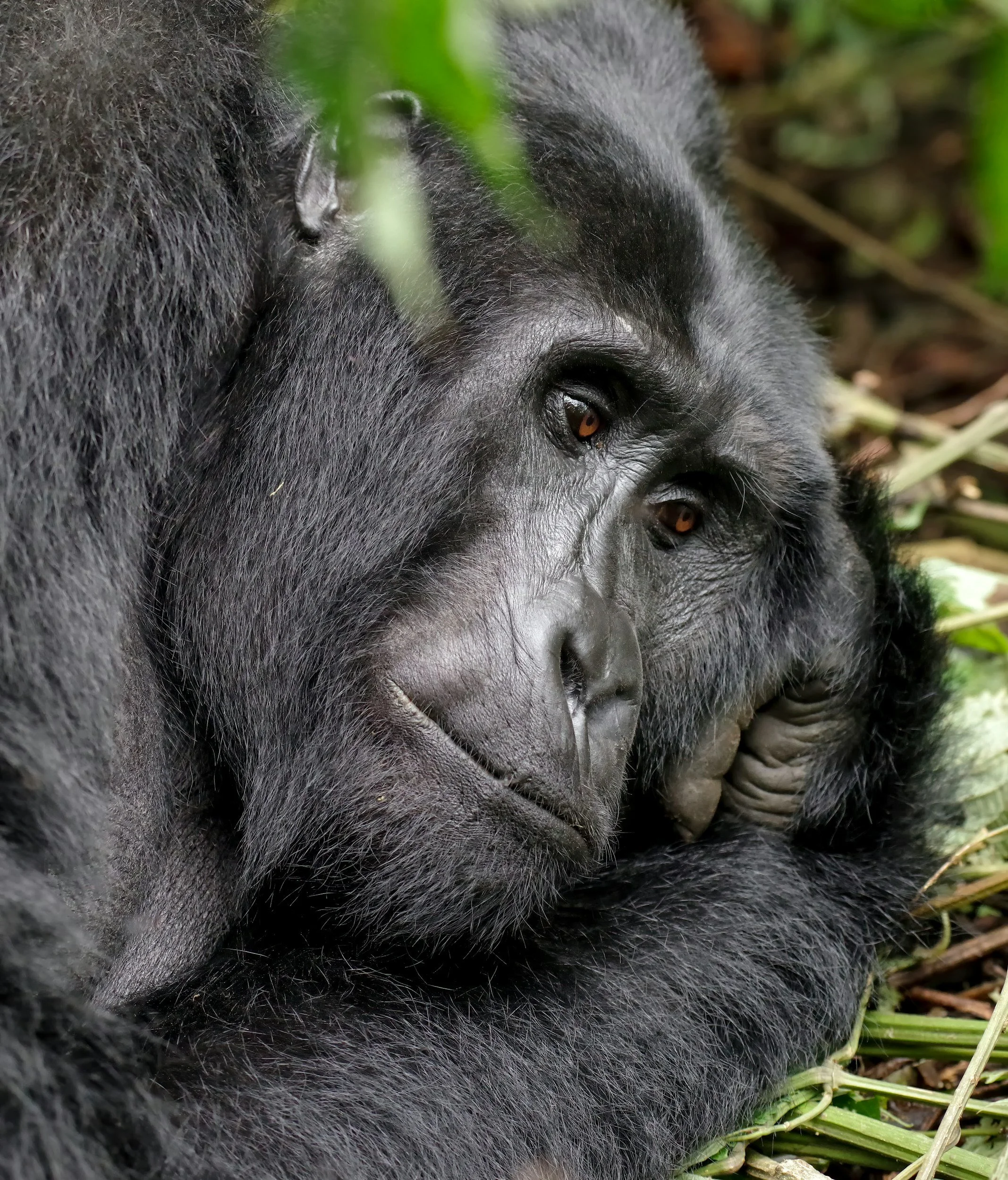
![gorilla lying down in Rwanda]()
Rwanda safaris
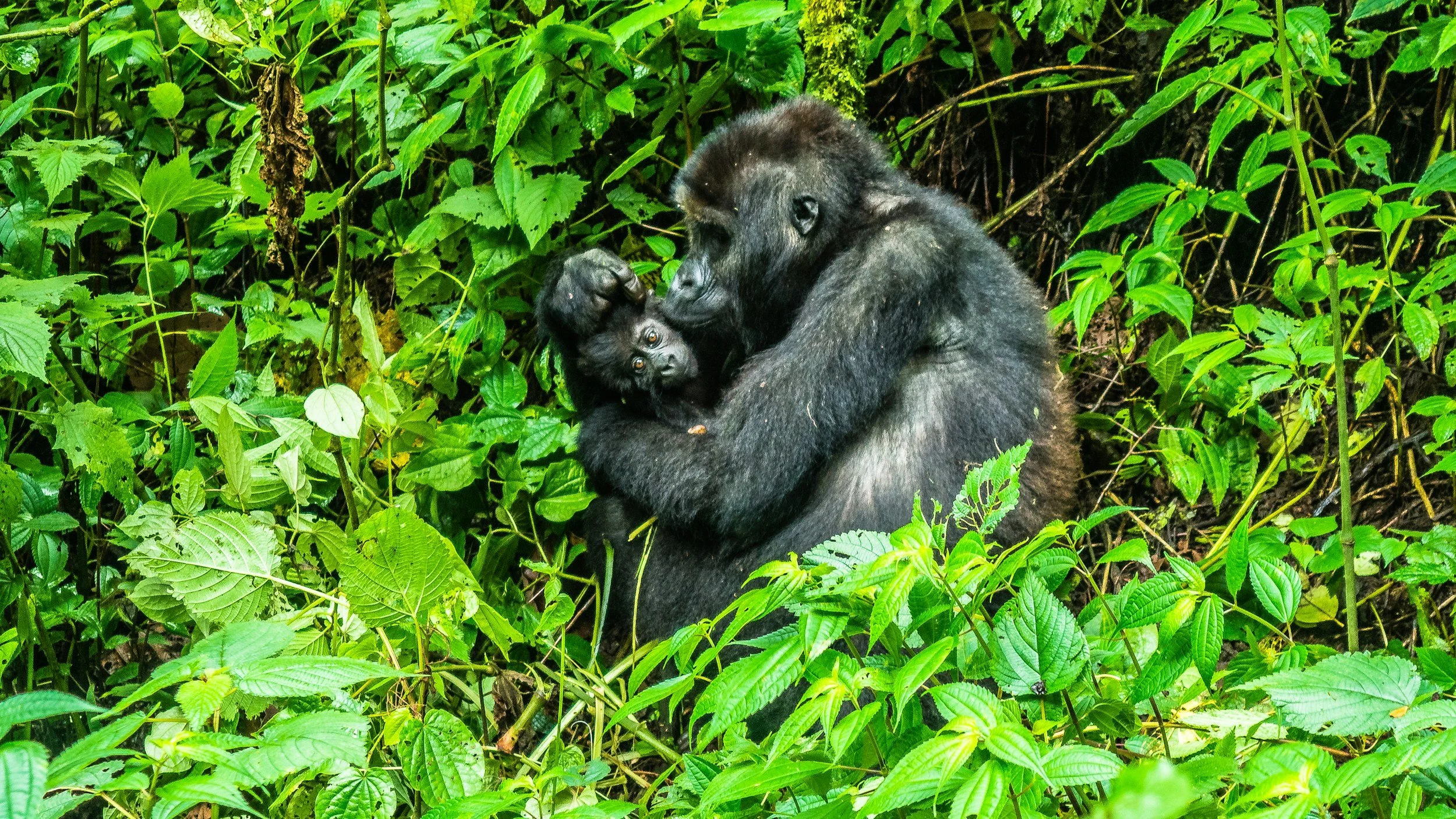
Trek to mountain gorillas in Volcanoes National Park, track chimpanzees in Nyungwe’s ancient rainforest and find the Big 5 on safari in Akagera.
Best for: gorilla trekking, primate lovers, moving history
-
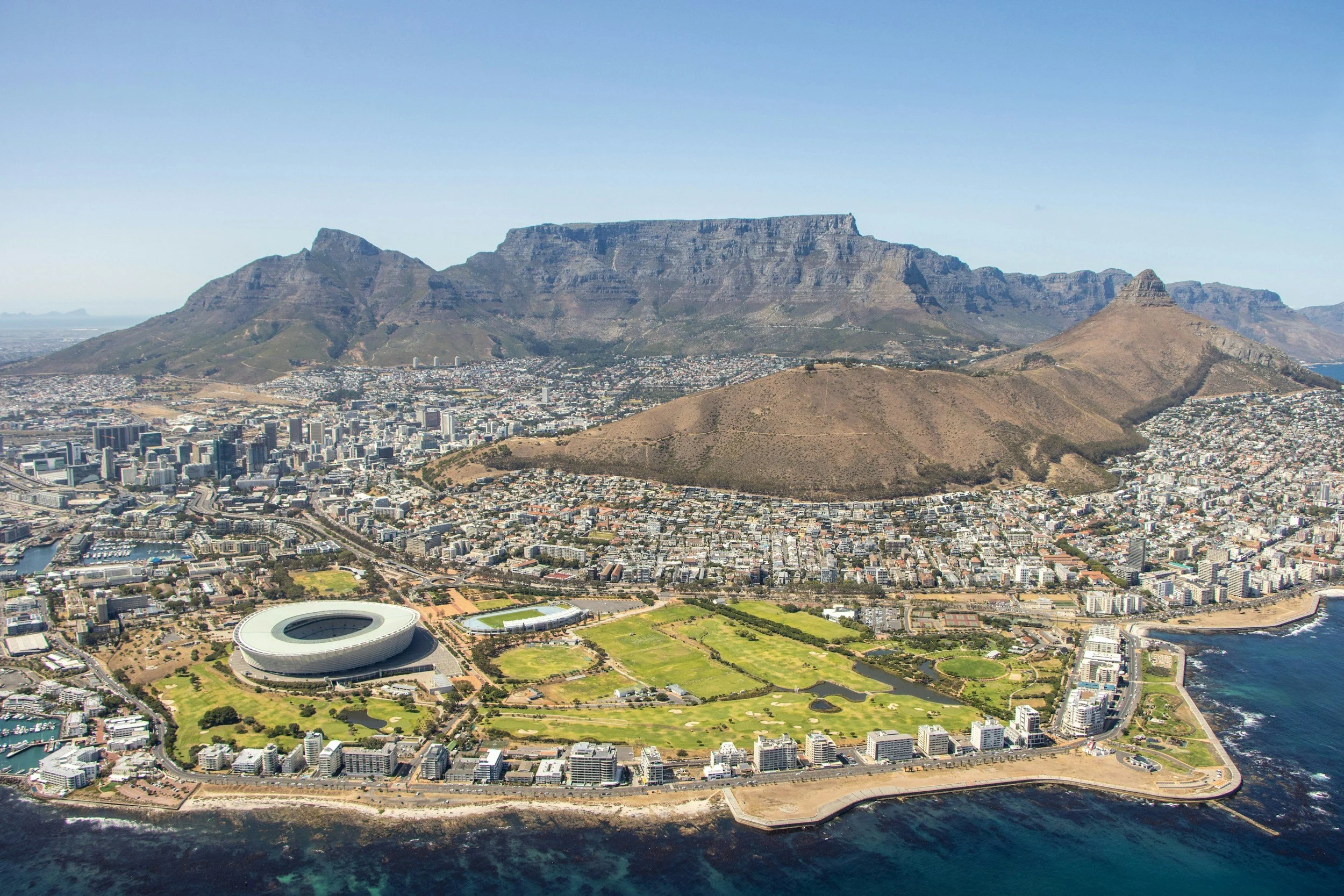
![Cape Town, South Africa]()
South Africa safaris
Cape Town and the Wineland’s paired with a private reserve near Kruger, or malaria-free Madijwe, which is ideal for young families.
Best for: families, city and bush, adventure
-
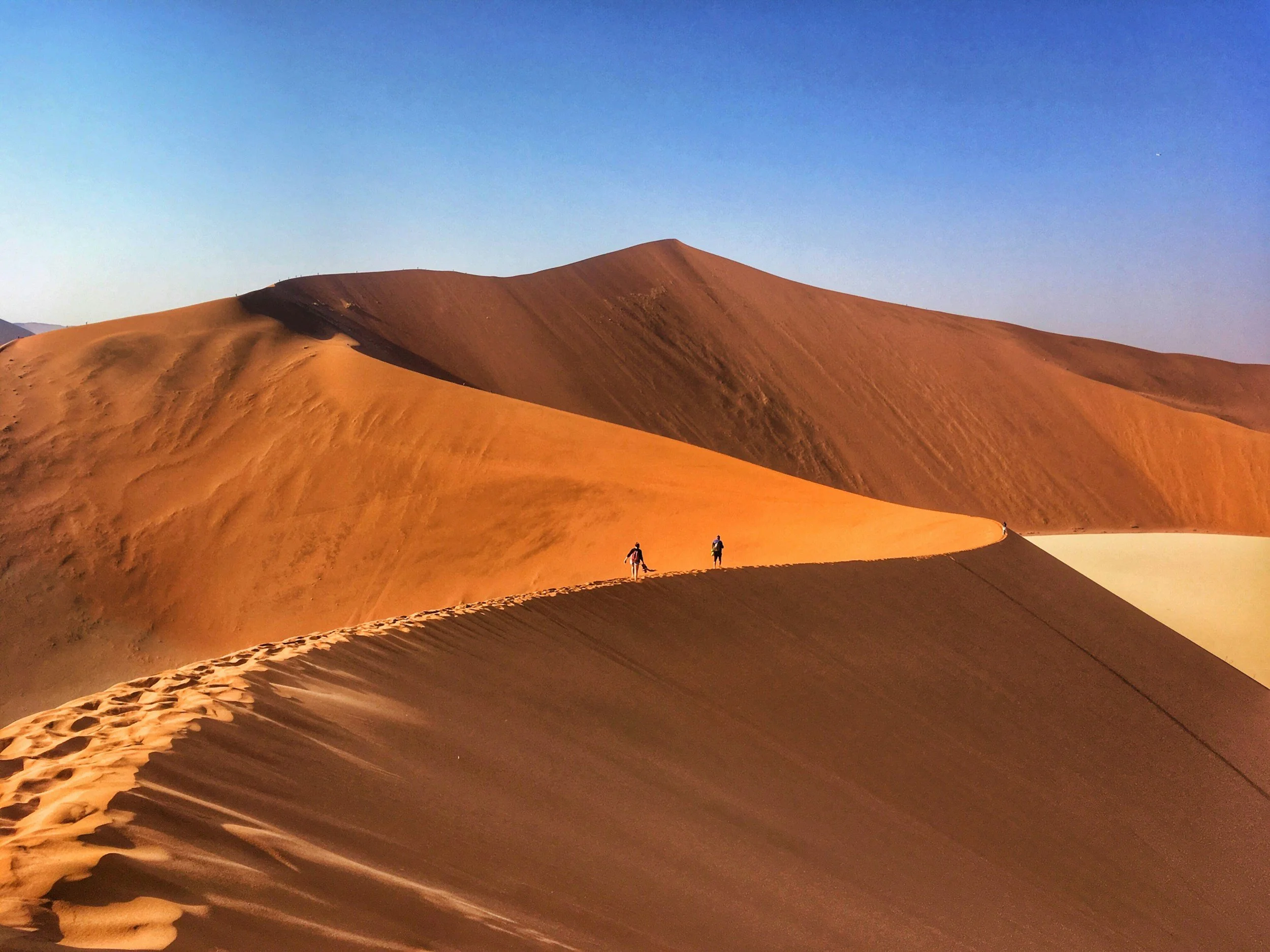
![red dunes in Namibia]()
Namibia safari
The towering red dunes of Sossusvlei, desert-adapted elephants in Damaraland and the waterholes of Etosha, by fly-in safari or self-drive.
Best for: self-drive. photographers, active holiday
-
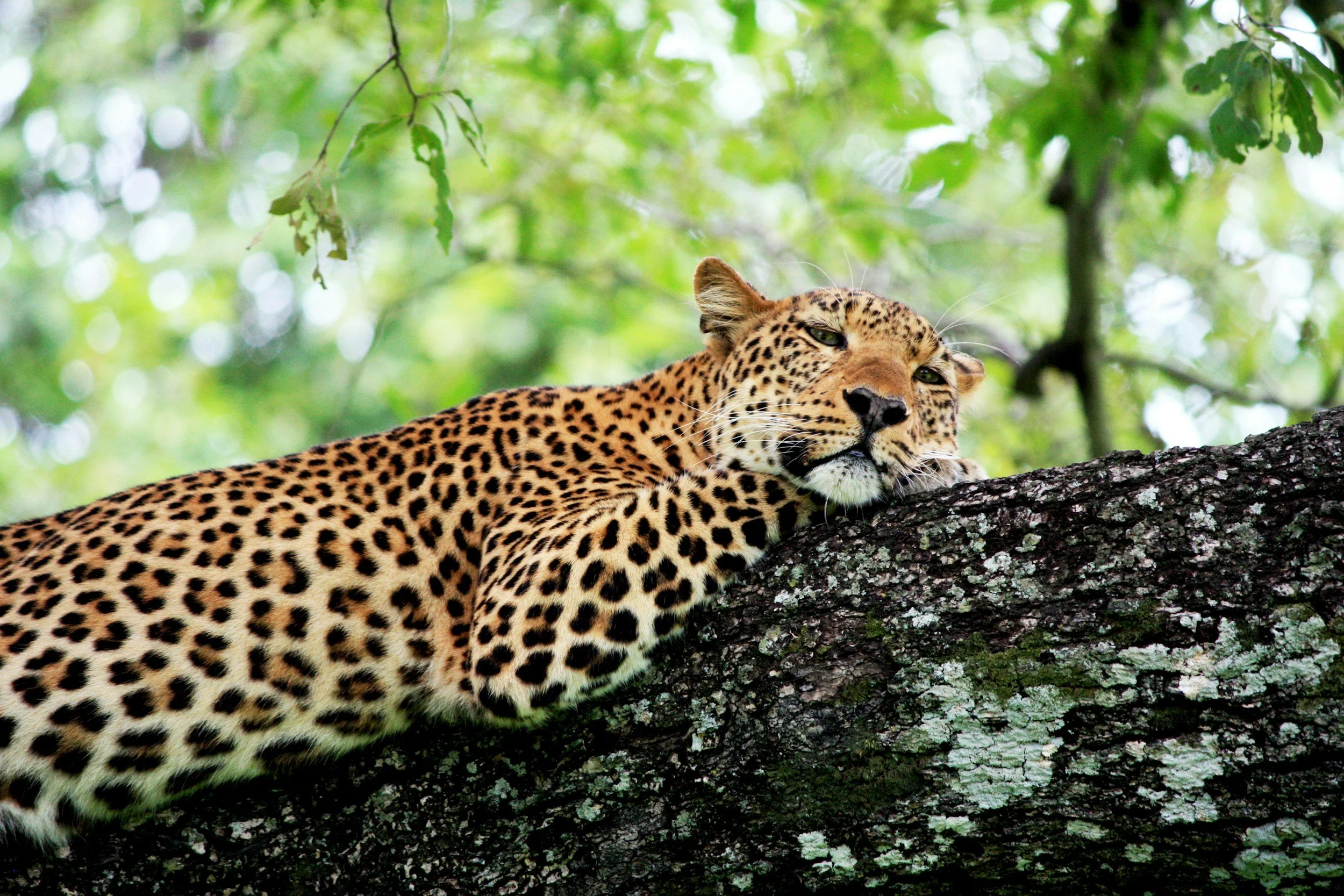
![leopard lying in a tree, Zambia]()
Zambia safaris
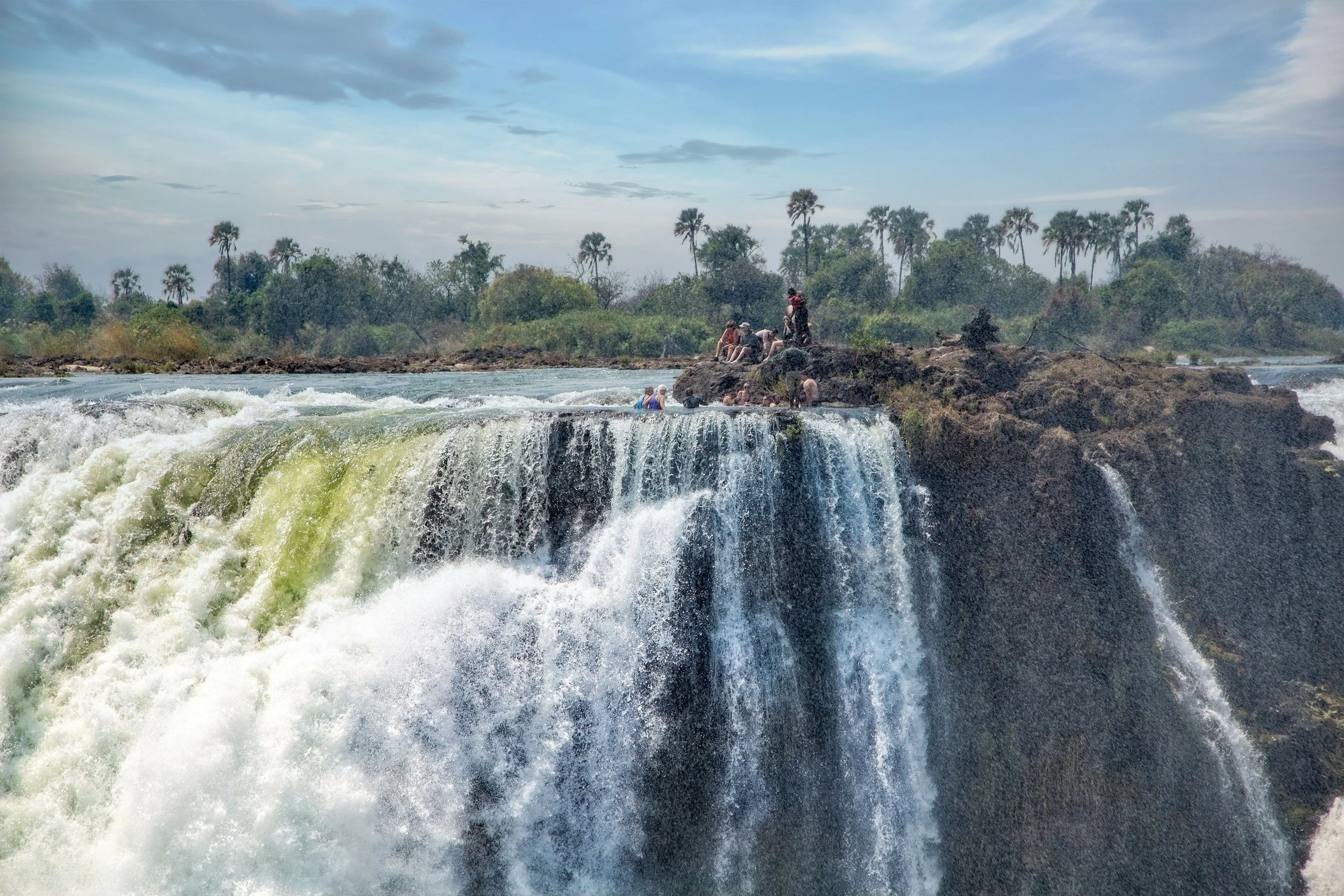
Walk with expert guides in South Luangwa, the birthplace of the walking safari, canoe past elephants on the Lower Zambezi and feel the spray of Victoria Falls.
Best for: walking safaris, leopards, remote wilderness
-
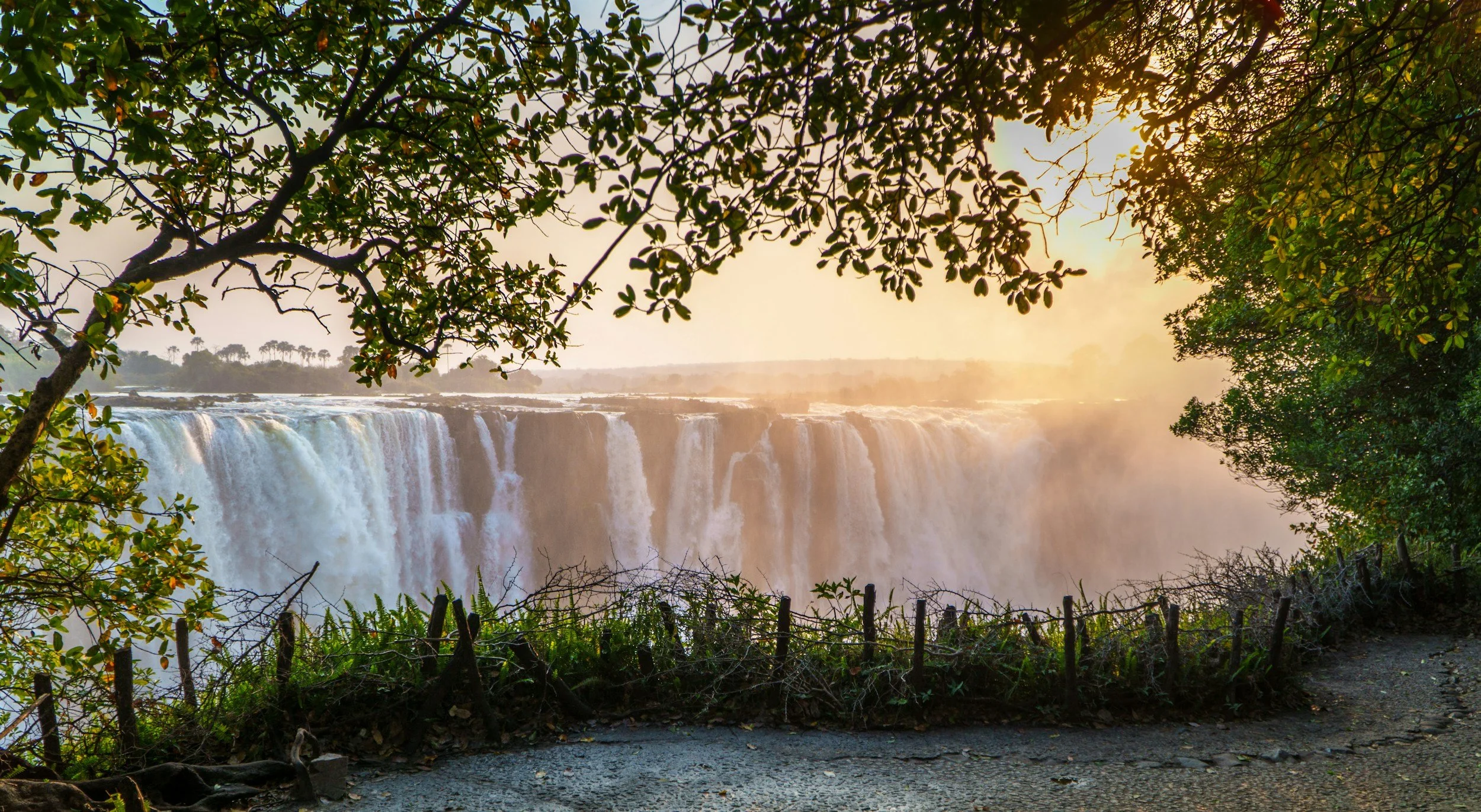
![Victoria Falls on Zimbabwe Safari]()
Zimbabwe safaris
The thunder of Victoria Falls, Hwange’s great elephant herds and walking or canoeing along the Zambezi in beautiful Mana Pools.
-
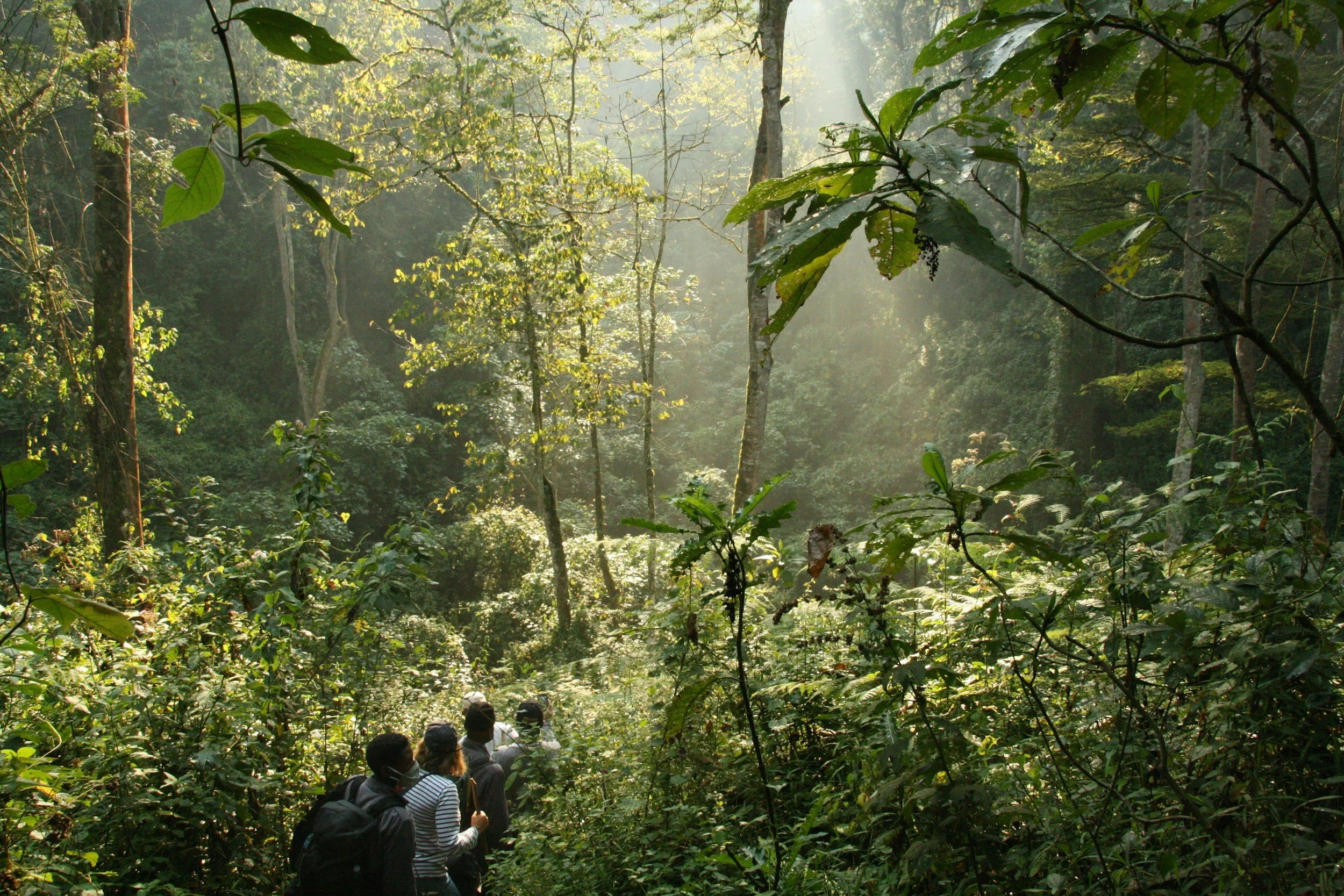
![walking through the rainforest in Uganda]()
Uganda safari
Trek to mountain gorillas in Bwindi Impenetrable Forest, track chimpanzees in Kibble and look for tree-climbing lions in Queen Elizabeth National Park.
Best for: gorilla and chimpanzee trekking, adventure
PLAN AROUND THE WILDLIFE
Africa’s great wildlife moments
Some of nature’s greatest spectacles happen at particular times of the year. Here are a few worth planning a safari around.
-
Great Migration river crossings
Jul - Oct
Watch wildebeest and zebra brave the Mara River in Kenya’s Maasai Mara and Tanzania’s northern Serengeti.
-
Serengeti calving season
Jan - Mar
Thousands of wildebeest calves are born on the southern plains, drawing lions and cheetahs close.
-
Gorilla trekking
Jun - Sept & Dec - Feb
Drier trails make the trek easier in Rwanda and Uganda. Permits are limited, so book well ahead.
-
The Okavango Flood
Jun - Aug
Rains from Angola flood Botswana’s Delta in the middle of the dry season, perfect for mokoro trips.
-
Carmine bee-eaters
Sept - Nov
Thousands of these brilliant birds nest in the riverbanks of Zambia’s Luangwa and Zambezi valleys.
-
Kalahari zebra migration
Dec - Apr
After the rains, zebra herds travel to the fresh grasses of Botswana’s MAkgadikgadi and Nxai Pans
WEATHER GUIDE
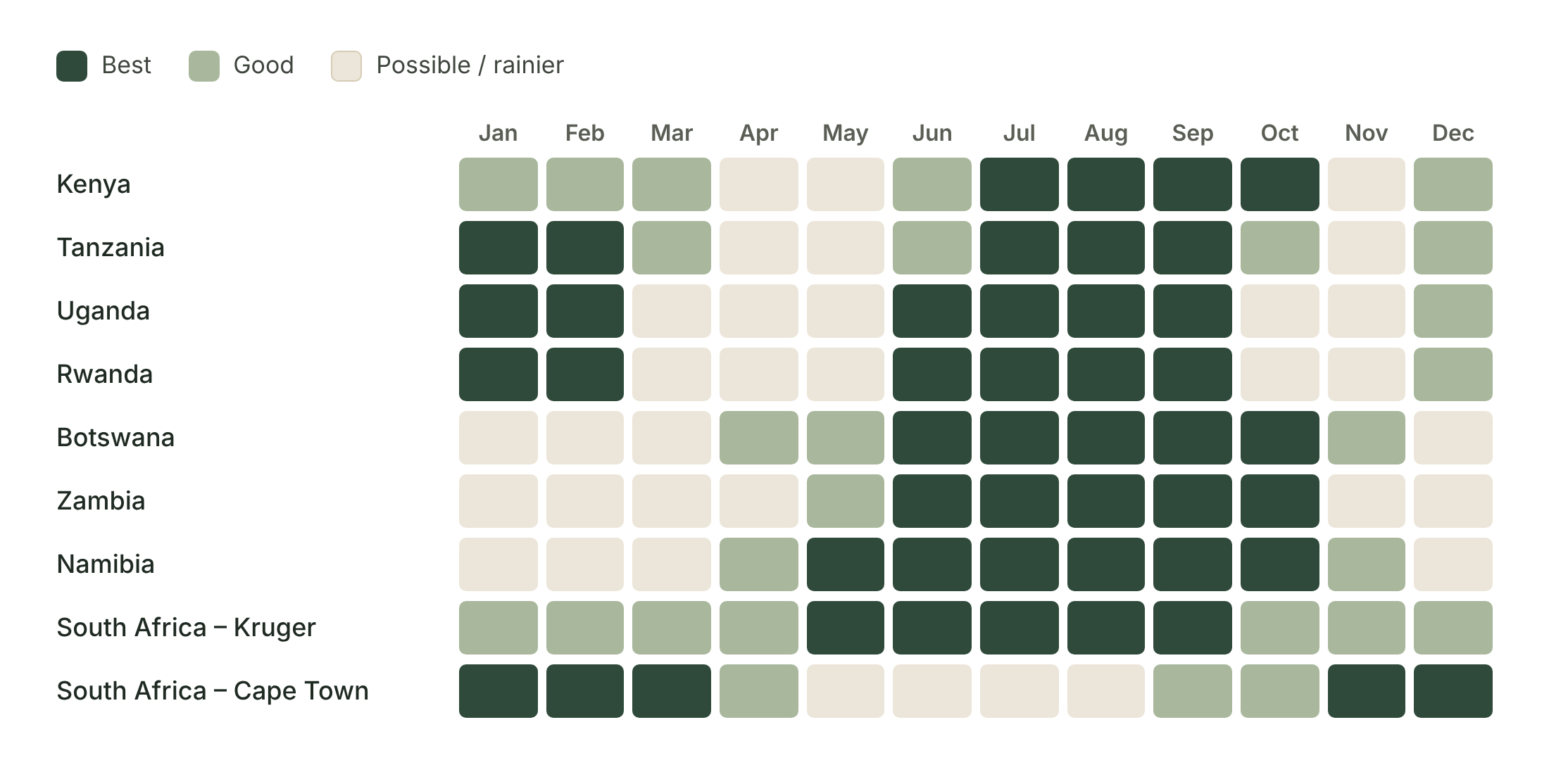
Best time to go on safari in Africa
The dry season, from June to October, is classic safari time across East and Southern Africa, as wildlife gathers around rivers and waterholes. It’s also when the Great Migration’s dramatic river crossings take place in Kenya’s Maasai Mara, gorilla trekking in Uganda and Rwanda is at its best, and the Okavango Delta floods in Botswana. Later in the year, thousands of carmine bee-eaters nest along Zambia’s riverbanks. The green season, from November to April, brings the Serengeti calving season in Tanzania, lush landscapes, wonderful birdlife, fewer vehicles and lower prices.
INSPIRATION
A few of my favourite routes to spark ideas. Every one can be changed to suit your dates, budget and style.
Sample safari itineraries
-
![Hot air balloon flying across Masai Mara, Kenya]()
Classic Kenya
Nairobi - 2 nights
Maasai Mara - 3 nights
Laikipia - 3 nights
Lamu - 5 nights
-
![Water gushing over Victoria falls, Zambia]()
Victoria Falls & Botswana
Victoria Falls - 2 nights
Chobe National Park - 3 nights
Okavango Detal - 3 nights
-
![Gorillas in the forest Rwanda]()
Gorillas & Serengeti
Kigali - 2 nights
Volcanoes NP - 3 nights
Kilimanjaro - 1 night
Ngorongoro Crater - 2 nights
Serengeti - 3 nights
Tailor-made Safari FAQ’s
-
Kenya, Tanzania and South Africa are the best choices for a first safari. All three offer excellent wildlife viewing, a wide range of camps and easy travel between parks. For something more remote and exclusive, Botswana and Zambia are wonderful.
-
Yes. A safari with established camps and professional guides is very safe. Guides are highly trained and know animal behaviour intimately. Camps are either fenced or have security guards to walk you to and from your room when dark.
-
The best places to see the Big Five (lion, leopard, elephant, buffalo and rhino) are Sabi Sands in South Africa’s Greater Kruger, Kenya’s Maasai Mara and Tanzania’s Ngorongoro Crater.
-
The best malaria-free safari destinations are in South Africa, including Madikwe Game Reserve, The Waterberg and private reserves in the Eastern Cape. All offer excellent wildlife viewing without the need for anti-maleria’s, which make them ideal for families with young children.
Many areas in the Laikipia region of Kenya are very low risk, being at an altitude that the anopheles mosquito which carries malaria doesn’t exist.
-
For most people, 7 to 10 nights is the ideal length for a safari. I recommend spending three or four nights in each camp and visiting two or three diferent areas, so you can see a wide variety of wildlife and landscapes without feeling rushed. If you’re short on time, even four or five nights can be wonderful, and adding a few days on the beach makes the perfect bush and beach holiday.