
A Guide to Samburu National Reserve: Kenya’s Wild North
If you’re looking for a safari that feels authentic, uncrowded and deep in the wild, Samburu National Reserve should be high on your wish list.
Located in Kenya’s remote northern frontier, Samburu offers dramatic landscapes, fascinating culture and wildlife found almost nowhere else in East Africa. It is a place where elephants wander along the Ewaso Nyiro River, leopards rest in ancient fig trees and reticulated giraffes stride across the dustry plains.
For many visitors, Samburu becomes the unexpected highlight of their Kenyan safari.
Whether you’re planning your first safari or returning to Kenya for something different, here’s everything you need to know about Samburu National Reserve.
Where is Samburu National Reserve
Samburu National Reserve lies approximately 350 kilometres north of Nairobi in Kenya’s semi-arid northern frontier.
The reserve sits alonside Buffalo Springs National Reserve and Shaba National Reserve, with the beautiful Ewaso Nyiro River flowing between them. This river is the heart of the ecosystem, attracting wildlife throughout the year.
It’s remote location means fewer vehicles and a far more exclusive safari experience.
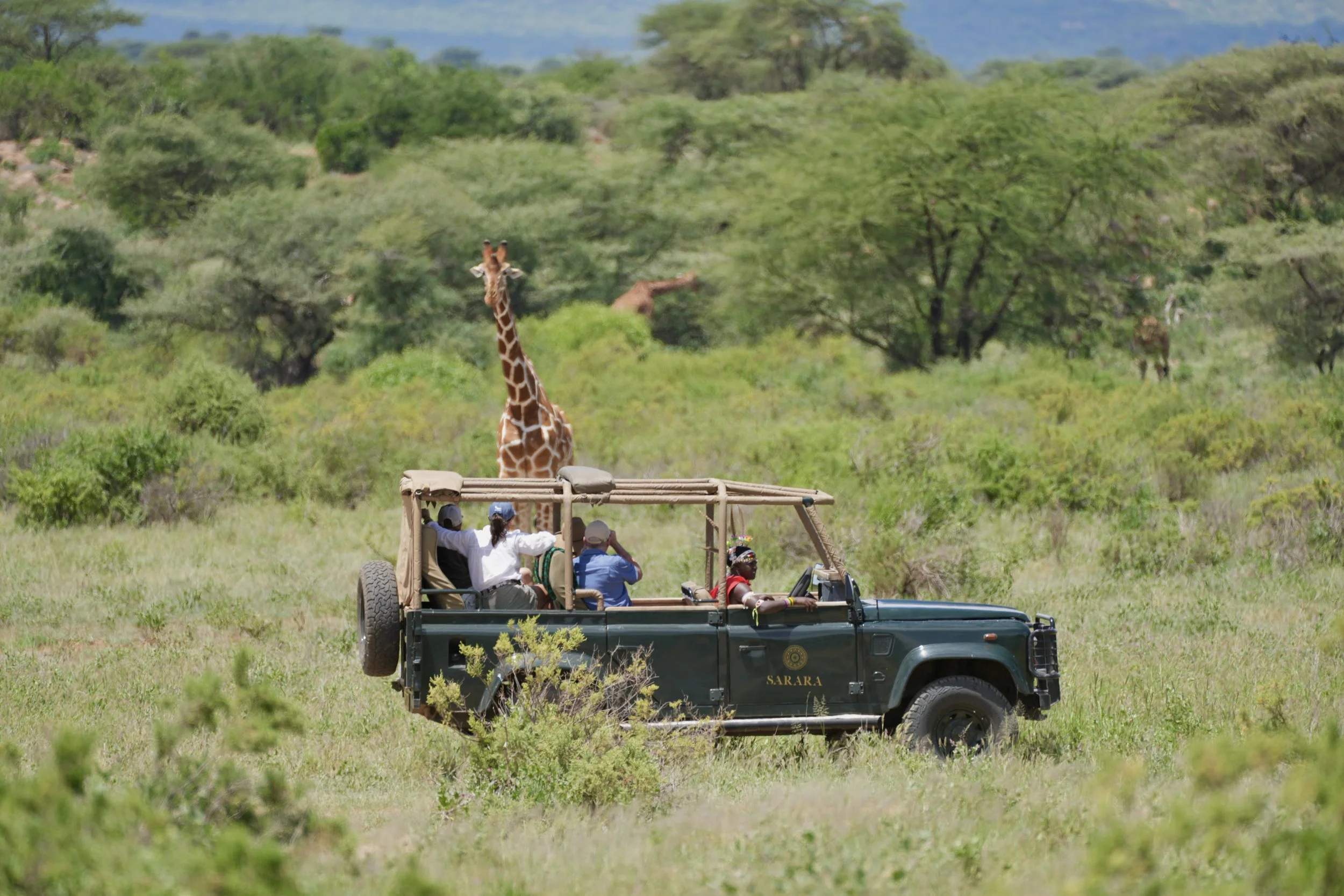
Game drives with Sarara Wilderness ©WalkingWildAfrica
What makes Samburu so special?
Samburu feels wonderfully wild.
While many visitors head straight to the Maasai Mara, northern Kenya offers a completely different safari experience.
Here you’ll find:
Excellent wildlife viewing without the crowds
Dramatic scenery
Incredible elephant encounters
Unique northern species
Rich Samburu culture
Luxury camps with excellent guiding
Many seasoned safari travellers consider Samburu one of Kenya’s best-kept secrets (so don’t tell anyone…)
The Samburu Special Five
One of the biggest reasons people visit Samburu is to see animals found almost exclusively in northern Kenya.
Collectively knows as the Samburu Special Five, they include:
Grevy’s zebra
Reticulated giraffe
Beisa Oryx
Somali Ostrich
Gerenuk
The gerenuk is perhaps the most remarkable. Nicknamed the “giraffe gazelle”, it regularly stands upright on its hind legs to browse leaves from bushes and small trees.
Spotting all five is a fun challenge during your safari.
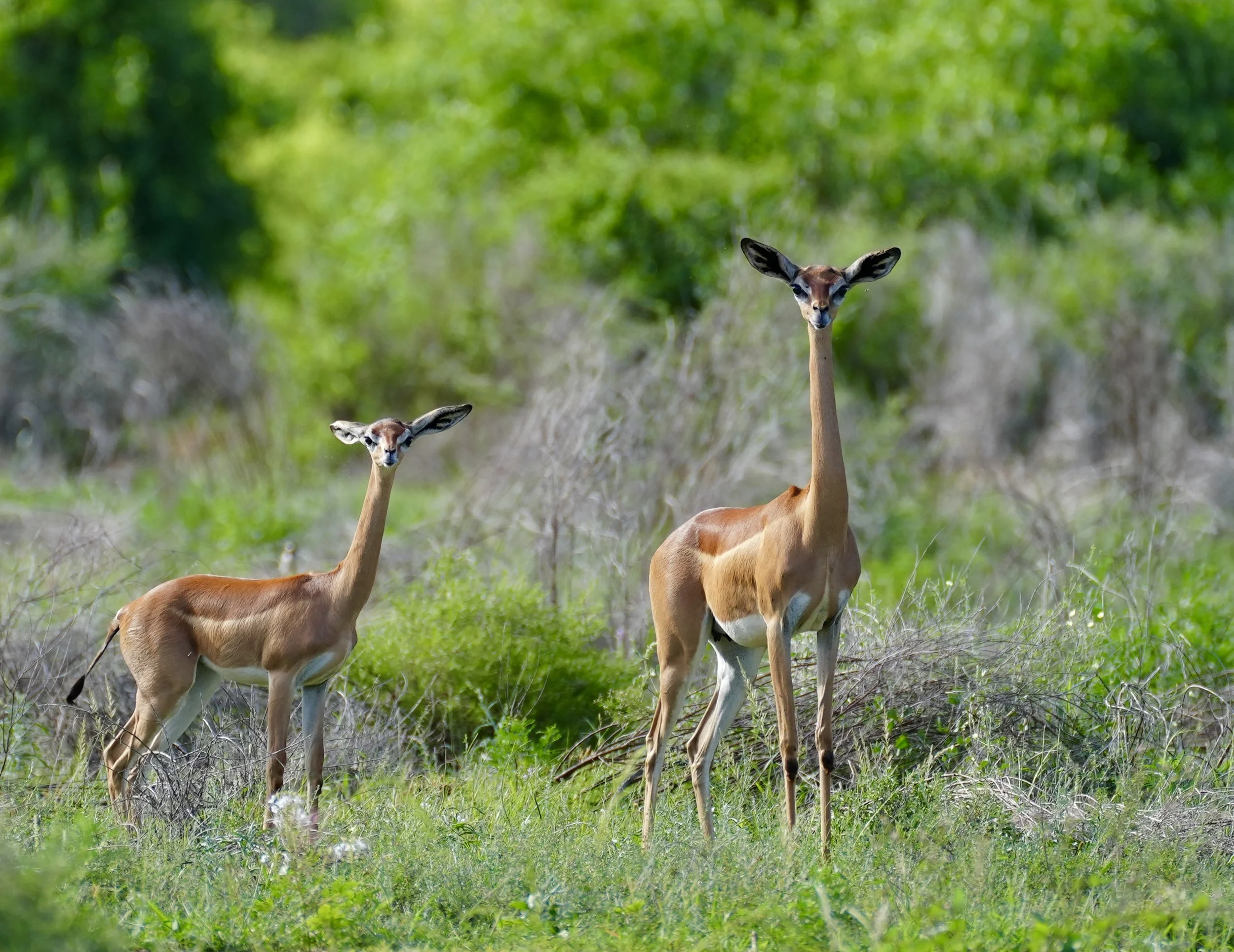
Gerenuk, one of the Samburu Special Five ©WalkingWildAfrica
Incredible Elephant Encounters
As well as the Samburu Five, the area is most famous for its elephants.
Hundreds move through the reserve following ancient migration routes along the Ewaso Nyiro River, gathering in large groups to play and bathe in the waters of the river. The area has also been home to one of Africa’s most influential elephant research projects.
For more than 25 years, Save the Elephants has studied the elephants of Samburu, helping scientists better understand elephant intelligence, family bonds, communication and migration. Many of the elephants are individually recognised by the researchers and many of the local guides, with generations of family histories carefully documented.
Watching these close knit families and hearing their stories is one of the best experiences in Samburu.
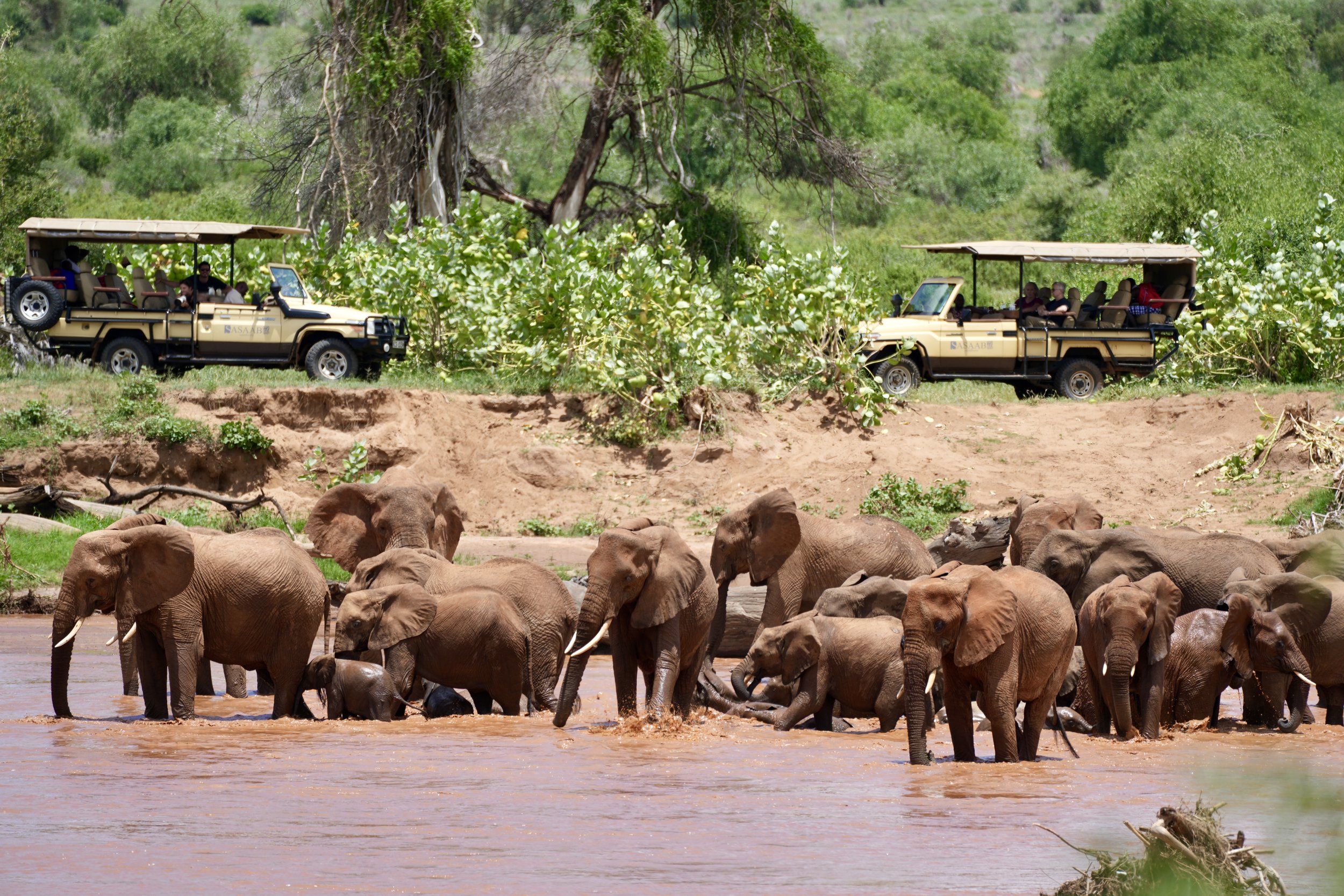
Herds of Elephants crossing the Ewaso Nyiro River ©WalkingWildAfrica
What predators can you find in Samburu National Reserve?
Samburu also offers outstanding predator sightings.
Animals you may encounter are:
Lions
Leopards
Cheetah
Spotted Hyenas
Black-backed jackals
African wild cats
Leopard sightings are particularly impressive, with several individuals regularly seen resting in the large riverine trees.
Because visitor numbers are relatively low, wildlife sightings often feel far more intimate than in busier reserves.
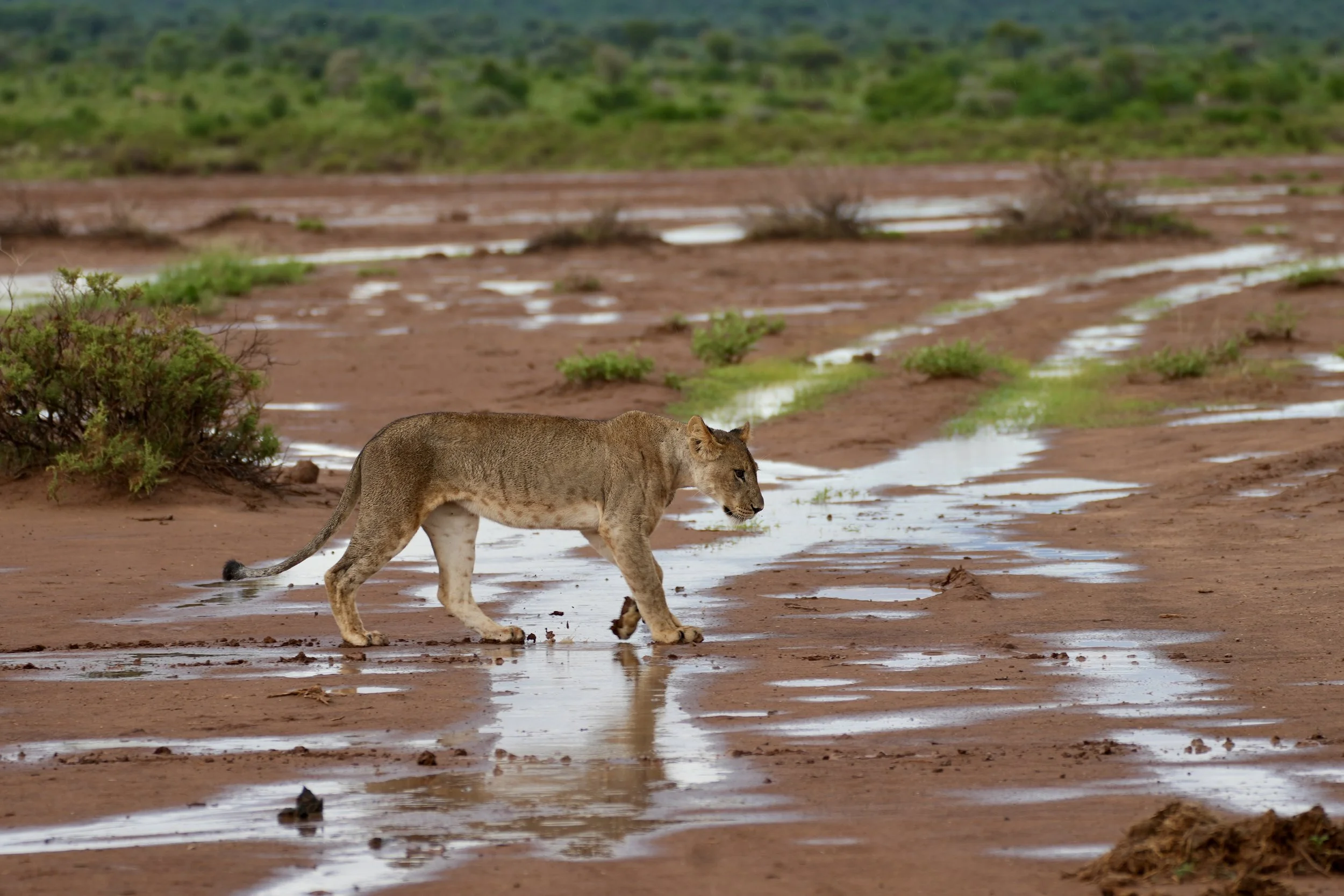
A lioness walking in Samburu National Reserve ©WalkingWalkingAfrica
What’s the best time to visit Samburu National Reserve?
Unlike many safari destinations, Samburu offers exceptional wildlife viewing throughout the year. Thanks to the permanent Ewaso Nyiro River, aniamals are drawn to the area regardless of the season, making it a fantastic choice whenever you choose to travel.
January to March is widely regarded as one of the best times to visit. The weather is warm and dry, wildlife is easy to spot around the river, and the soft golden light provides excellent conditions for photography.
April and May brings the long rains, transforming the landscape into lush shades of green. While some roads may become muddy, the reserve is quieter, offering a more exclusive safari experience with fewer visitors and beautiful scenery.
June to October is the peak safari season in Kenya which brings with it high prices. Cooler mornings means animals are moving around more, and the dry conditions mean vegetation is thinning, making wildlife easier to find.
November see’s the arrival of the short rains, which peter out into the start of December. The reserve comes alive with fresh greenery, migratory birds return, and the park remains quiet until the Christmas holidays begin.
Where can I stay in Samburu National Reserve?
One of Kenya’s most iconic eco-camps, Elephant Watch Camp offers a relaxed, barefoot luxury experience with conservation at its core. Working closely with Save the Elephants, it’s the perfect choice for travellers wanting an intimate safari with a strong connection to elephant research and protection.
Perched on a rocky hillside within the Kalama Conservancy, Saruni Samburu boasts breathtaking panoramic views and exclusive wildlife experiences away from the crowds. Its stylish villas, exceptional guiding and access to both the conservancy and Samburu National Reserve make it one of northern Kenya’s finest luxury lodges.
Overlooking the Ewaso Nyiro River, Sasaab blends Moroccan-inspired design with spectacular views across the Samburu landscape. Spacious suites, private plunge pools and outstanding service make it an ideal choice for honeymooners and those seeking understated luxury.
Set along the wildlife-rich banks of the Ewaso Nyiro River, Ashnil Samburu Camp offers contemporary comfort in a prime location for game viewing. With excellent value, family-friendly facilities and regular elephant visits, it’s a superb base for exploring the reserve.
Named after legendary explorer Eric Larsen, Larsens Camp enjoys a peaceful riverside setting surrounded by mature riverine forest. Its spacious luxury tents, classic safari atmosphere and frequent wildlife sightings create a tranquil retreat in the heart of Samburu.
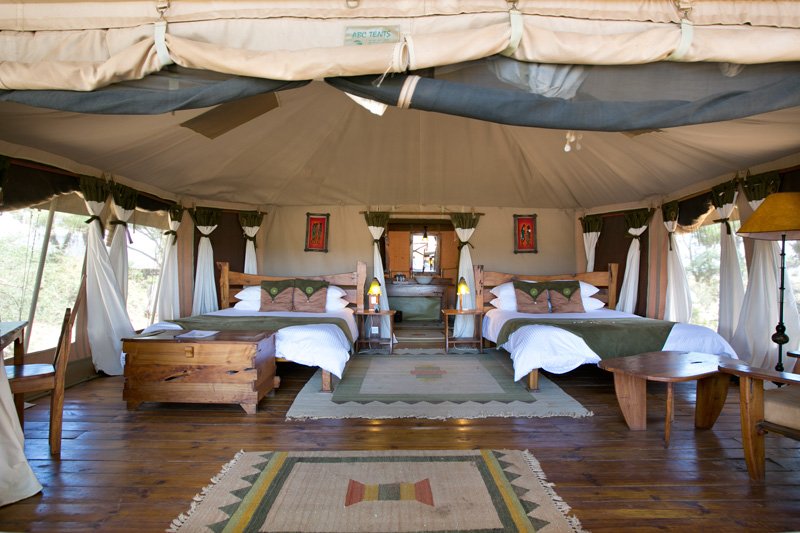
One of the tents at Elephant Bedrooms Camp ©ElephantBedroom
How many nights should you spend in Samburu?
Three nights is ideal if you’re pairing it with another safari destination.
If Samburu is your only wildlife stop then consider spending 4 - 5 nights to enjoy multiple game drives while also slowing down, watching the wildlife in the river from your camp and enjoy relaxing at the camp.
Why Samburu deserves a place on your safari
While the Maasai Mara rightly receives worldwide attention, Samburu offers something offers sometime a little more intimate.
You’ll spend less time queueing behind safari vehicles and more time immersed in nature.
With extraordinary elephant encounters, unique wildlife, fascinating conservation projects and breathtaking scenery, Samburu delivers one of Kenya’s most rewarding safari experiences.
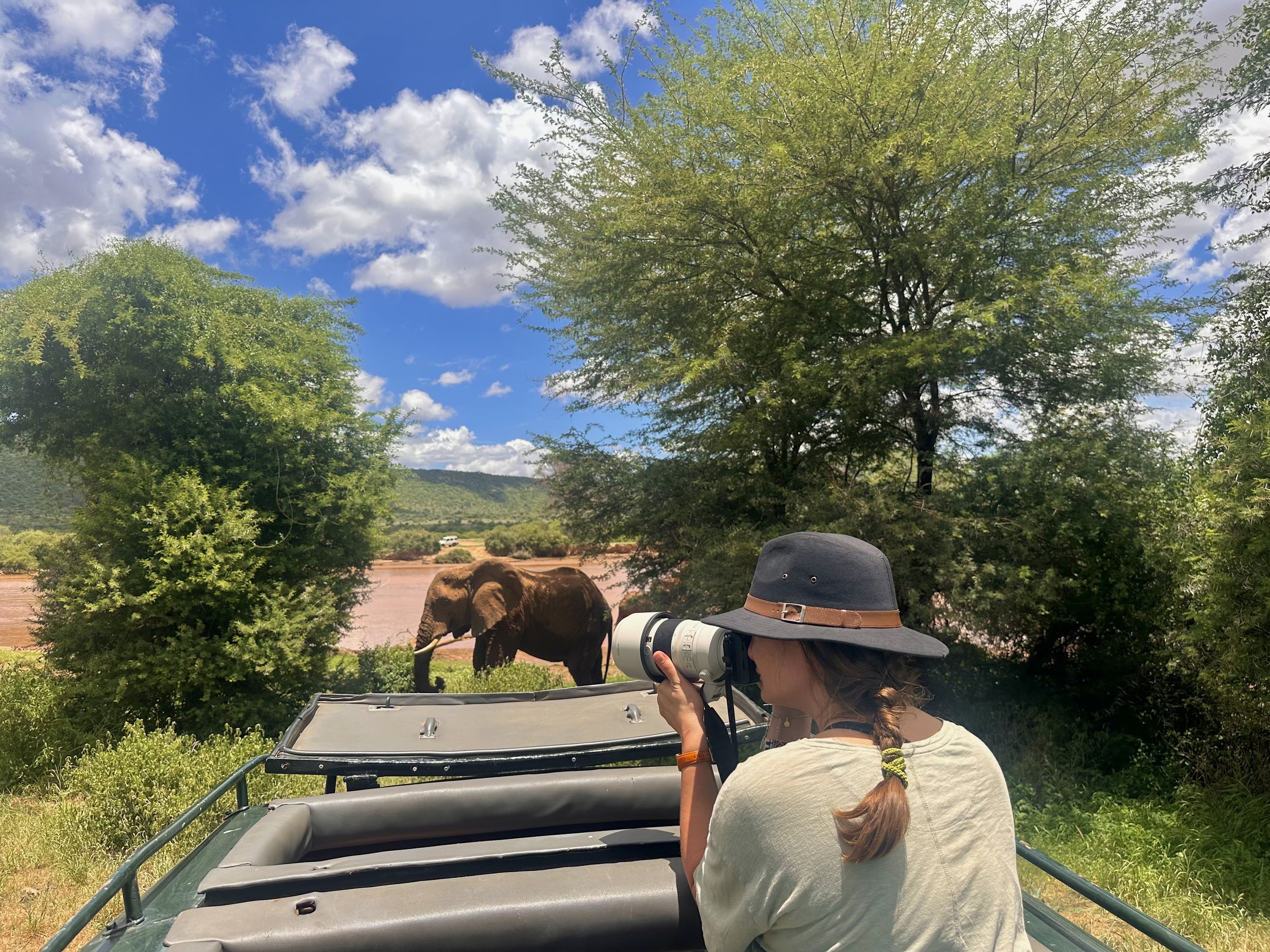
Photographying elephants ©WalkingWildAfrica
Frequently Asked Questions about Samburu National Reserve
Is Samburu worth visting?
Absolutely. Samburu offers exceptional wildlife, fewer crowds than the Maasai Mara, unique northern species and some of Kenya’s best elephant viewing.
What aniamls can you see in Samburu in Samburu?
Visitors regularly see elephants, lions, leopards, cheetahs, crocodiles, hippos, giraffes, Grevy’s zebra. Beisa oryx, gerenuk, Somali ostrich and more than 450 bird species.
Is Samburu Better than the Maasai Mara
They offer a different experience.
The Maasai Mara is famous for it’s vast plains and the Great Migration, while Samburu offers unique wildlife, fewer tourists, spectacular elephant sightings and more exclusive atmosphere. Many travellers choose to visit both.
Can you see the ‘Big Five’ in Samburu?
You can usually see lion, leopard, elephant and buffalo. Rhino’s are not found within Samburu National Reserve itself, although they can be seen nearby reserves such as Lewa and Ol Pejeta.
Is Samburu good for families?
Yes! Many camps welcome children and offer family tents, guided bush walks, cultural visits and educational wildlife experiences, making it an excellent destination for adventurous families.
How many days do you need in Samburu?
Three nights is ideal, giving plenty of time for game drives, birdwatching, photography and enjoying your lodge.
What is the best tiem to visit Samburu?
Wildlife viewing is excellent all year. January to March and June to October are generally considered the best months.